Archives
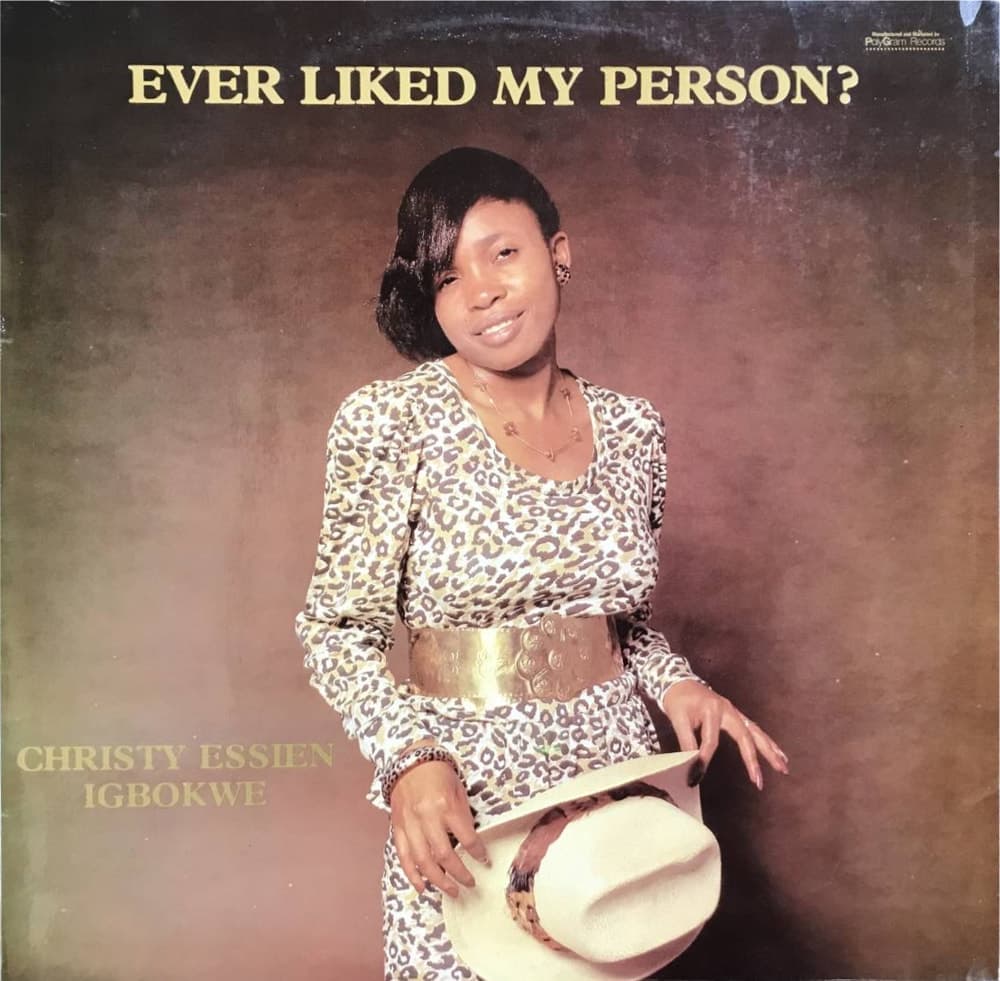
Produced by Lemmy Jackson, Ever Liked My Person is the Nigerian lady of Songs sixth album. The multilingual album is a 1981 hit with the most popular song, ‘Seun Rere’ being a household song and a radio anthem from the 80s to the late 90s.
Christy came to spotlight for the first time in 1976, it was in a satirical NTA TV series, The New Masquerade. A year after, at the age of 17, she launched her musical career and released five records before hitting with Ever Liked My Person in 1981.
Listen to the album on YouTube.
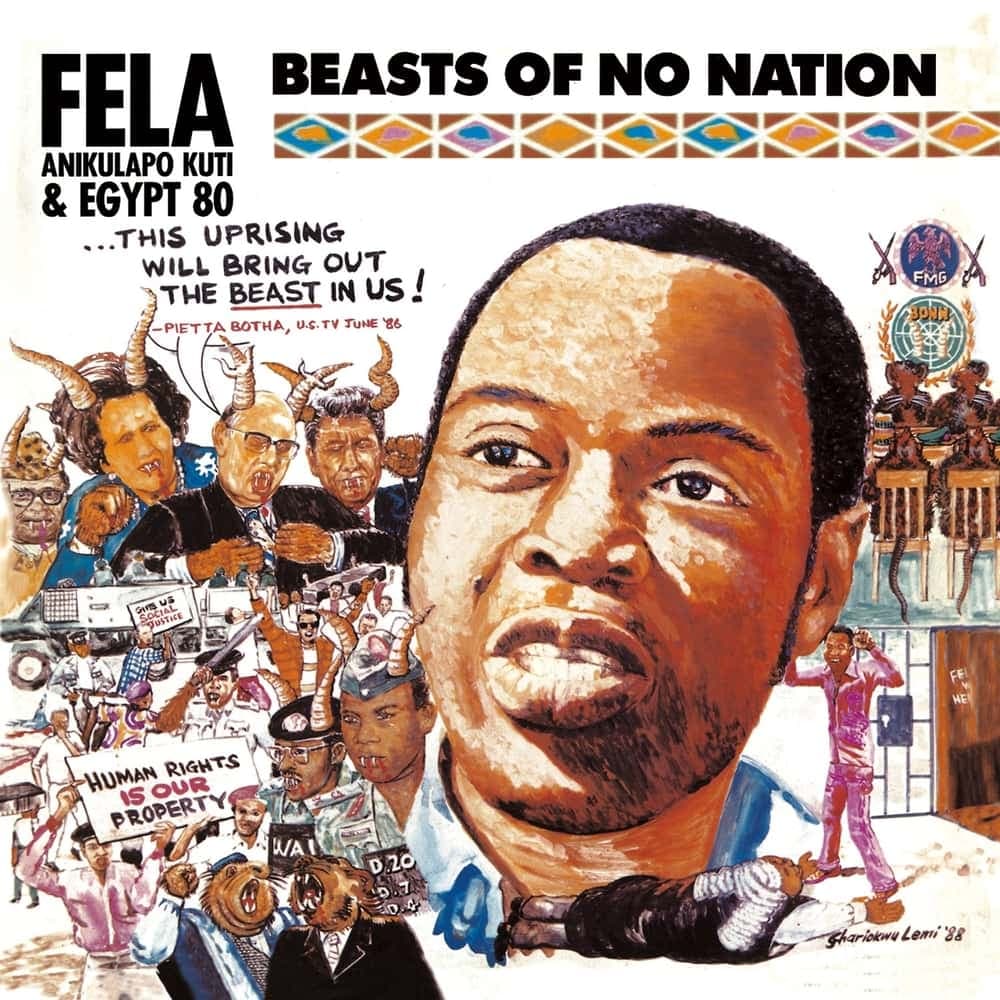
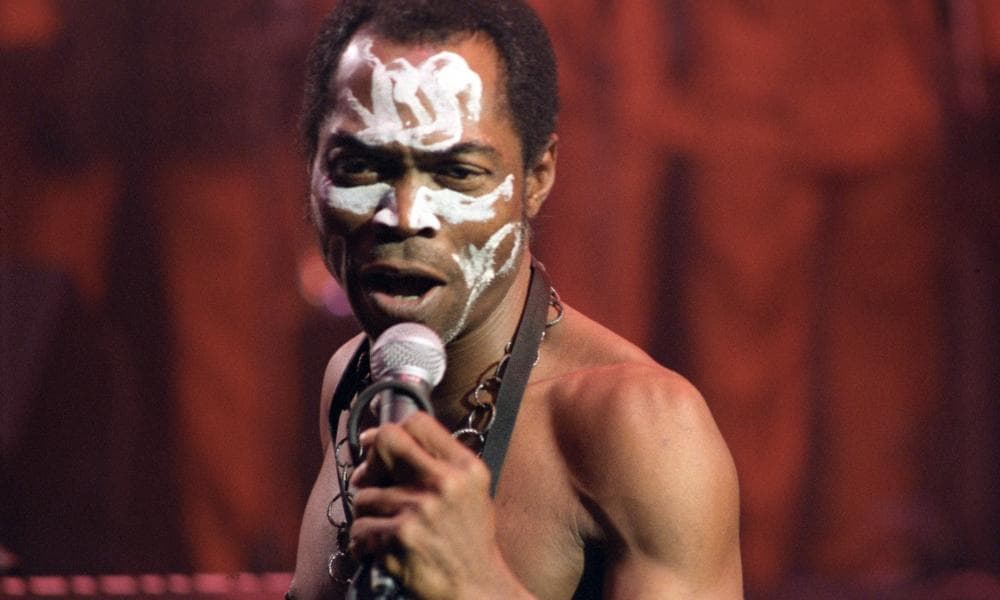
Apart from being Fela’s most brilliantly titled record, Beast of No Nation is his first song after serving two years from a five-year prison sentence. Beast of No Nation was Wally Bally Badarau’s second production for Fela, after Teacher Don’t Teach Me Nonsense. The record is a strong and politically rebellious return party by Egypt 80. Fela’s asks ‘Wetin United for United Nations?’ ‘Who and who unite for United Nations?’. Fela sees the United Nations as an unhealthy organization, a ‘disunited United Nations’.
Beast of No Nation is Fela’s Post-Africa 70 political records. After nearly a decade of performance with the newly assembled Egypt 80, he has reached a more melodic and globally relative sound as against the local traditions of the Africa 70 while maintaining his loose vibe. Beasts of No Nation’s sleeve shows Margaret Thatcher, Ronald Reagan and Mikhail Gorbachev as devils.
Listen to the album on YouTube.
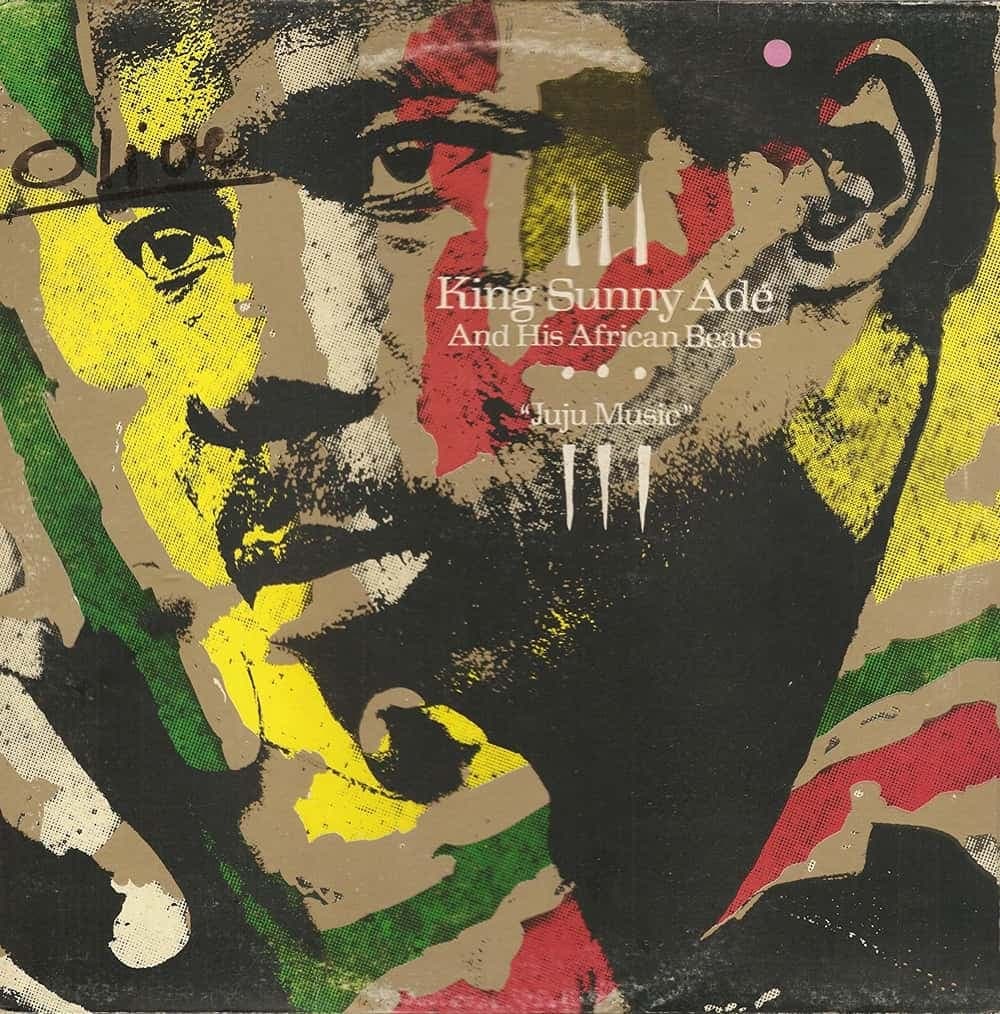
Juju Music was what turned Sunny Ade to King Sunny Ade. 1982 was Afropop and juju sound defining year, Juju Music was an international hit, a timely and commercial success. The album peaked at #111 on Billboard’s “Pop Albums” chart and The New York Times described it as ‘the year’s freshest dance-music album’ and was credited in 1990 to have launched the ‘World Beat movement in the United States’.
Before releasing Juju Music Sunny Ade has toured America and Europe and his staged act and rejuvenating dance steps has given him an edge over his juju rival, Ebenezer Obey. The release of Juju Music established King Sunny Ade as one of the world’s greatest band leaders. His next album, Syncro System earned him his first Grammy Award nomination. However, Juju Music was Sunny Ade’s most defining record and Syncro System mainly rode on its wave.
Listen to a title on YouTube.
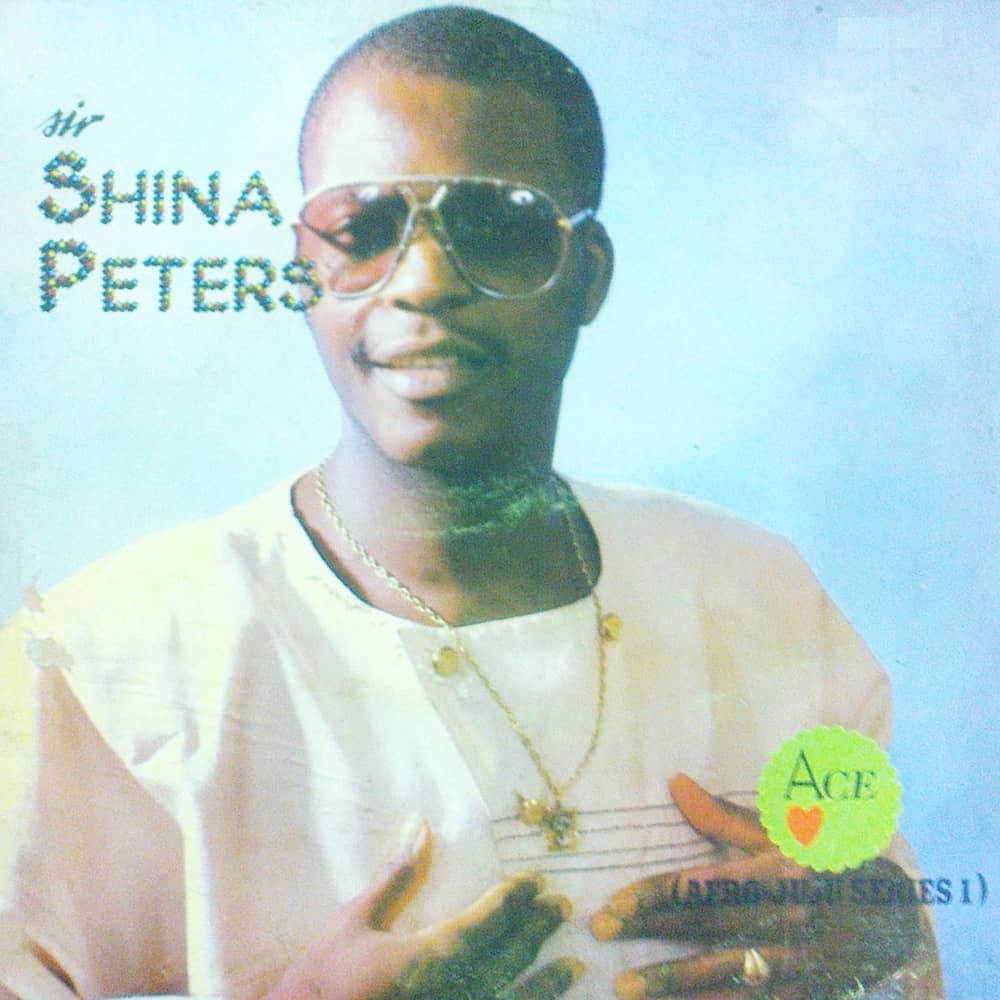
Ace (Afro-Juju Series 1) is one of the most memorable Nigerian double platinum. Released under CBS Records and produced by Laolu Akins, Ace (Afro-Juju Series 1) was successful because of its fusion of the dominant sounds of the period. Shina Peters and his International Stars fused Juju, Afrobeat and Fuji-style percussion.
The hit track of the album, ‘Afro Juju’ was the Nigerian dance floor song and was the heart of every ‘owanbe’ till the 90s. It mixes percussions with the saxophone, guitar and electronic keyboards. The album is SSP’s debut and his most remarkable work till date. Apart from scoring double platinum, Shina won ‘Artist of the Year’ and ‘Album of the Year’ at the Nigerian Musical Awards.
Listen to the album on YouTube.
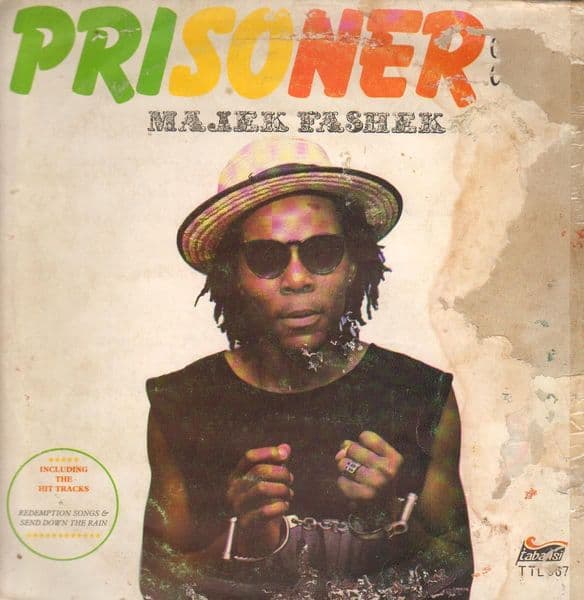
Shortly after Majek Fashek disbanded The Jastix in 1988, he signed a solo career deal with Tabansi Records and released Prisoner of Conscience in 1989. A track in the album, ‘Send Down the Rain’ became the most popular song of the year. Prisoner of Conscience is a powerful debut and Fashek won six PMAN awards in 1989 including ‘Song of the Year’, ‘Album of the Year’, and ‘Reggae Artist of the Year’.
Majek Fashek toured the continent with his band performing songs from the album. Prisoner of Conscience disposed Ziggy and established Majek Fashek as the original Bob Marley incarnate. Tabansi Records was overwhelmed by the success of the record that Fashek released another album, I&I Experience before the end of 1989 but unfortunately, the album did not perform like Prisoner of Conscience and none of Majek Fashek’s later records did.
Listen to a title on YouTube.
Read next: The 10 best Nigerian albums of 2018