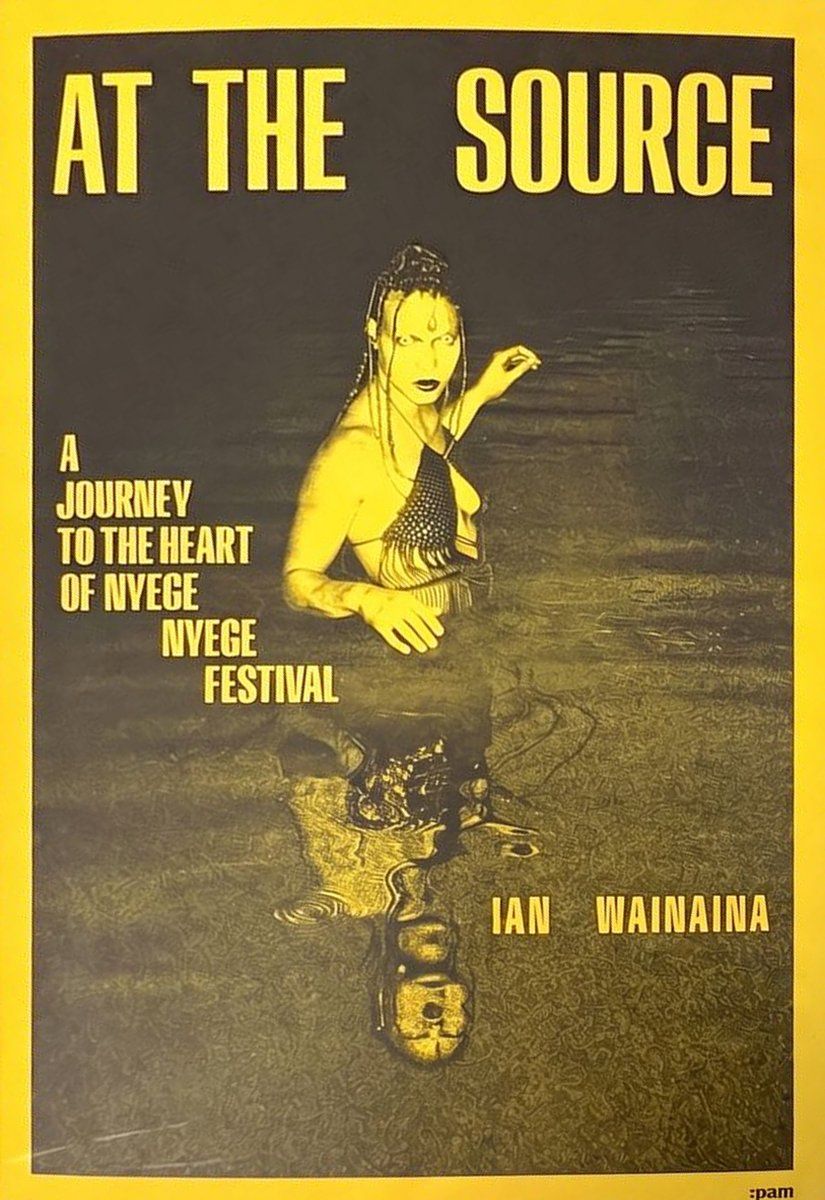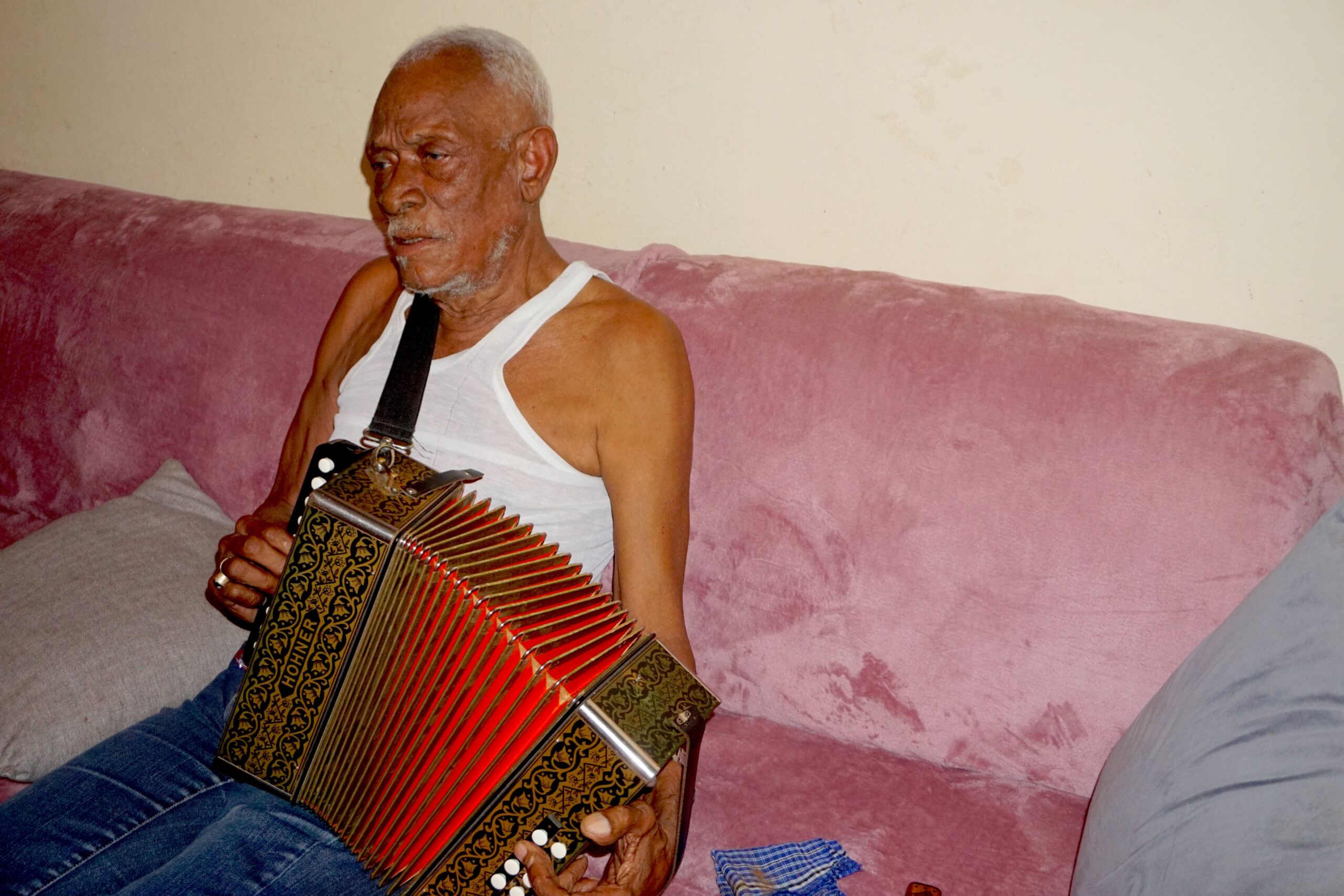
December 1st, 2025. Nairobi. Stuck in an endless travel quagmire on the way back to Paris from Kampala. We return to Uganda to celebrate Nyege Nyege Festival’s 10th anniversary as an autonomous zone of creation and gathering. Dive into the politics and porridge of the wildest party on Earth alongside the spectre of Uganda’s looming presidential election. Plenty to see between the lines of Kampala and Jinja, with a pitstop in Mbale. And sometimes, at the bottom of a bottle of Waragi.
PHOTOS & VIDEOS BY SHUTTERDUSTADDITIONAL PHOTOS BY AMMAR ALTHAIR
Nyege Nyege is a vortex. Once you’re in it’s impossible to escape. I’ve often compared jumping into the Nyege discography and parties like switching from marijuana to crack cocaine. The old stuff just doesn’t hit like it used to. The collective has been operating for over 10 years. Based in Kampala, Uganda, founders Derek Debru and Arlen Dilsizian (who met teaching at a local film school) started organizing shows after guest lectures and film screenings. Musician friends including Nihiloxica and early partygoers like Catu Diosis and Hibotep stepped up to provide heavy sounds as a radical alternative to Kampala’s usual kicks. In the years since, Nyege has become a cult record label, a global touring agency, and a yearly music festival held on the riverbanks of the Nile. This year will be the 10th.
10 years in the game is no joke. Nyege is a dicey experiment for East Africa, especially when led by a duo that leans harder into anarchy and hedonism than corporate structure. Arlen is Armenian born and got his start booking underground American hip-hop acts like Kool Keith throughout Greece. Derek, a Belgian that’s no stranger to the free party scene of the early 00s, was always interested in music and drawn to the continent through ties to his Burundian grandmother. These are shadowy figures at the helm who resist interviews and the spotlight. They prefer to highlight the vast array of artists, talent, and teammates that keep the machine running. “It’s a centerless project,” Derek says.
Over the years PAM has been drawn into this centerless mass, making inroads with the collective since we co-produced their first Parisian party in 2019. Nyege opened our eyes to a fringe of outsider music from the continent that was totally off our radar. Disturbing, lovely music. It shocked my system, and reinvigorated a profound curiosity about what music from Africa is and could be. “Music that sounds really right and really wrong at the same time,” Arlen once told me. It is the id underneath the “world music” superego that has dominated Western imagination and music markets for decades. And it’s embodied. Our collaboration culminated in Nyege Festival France over the last 4 years with many side quests into Tanzania, Ivory Coast, and across Europe, covering artists, finding new music, and getting weird.
This 10 year anniversary is a moment we couldn’t miss.
Protect the gains
At the airport I’m picked up by a driver named Derek (nice coincidence) wearing a reflective yellow Nyege vest. Heading out of Entebbe and into Kampala the newly paved expressway is littered with election posters for Museveni, Uganda’s president since 1986. “Protect our gains” it reads with the octogenarian sporting a facile smile and cheesy bowler hat. “What do you think of all this?” I ask Derek.
– It’s terrible. Nothing works and everything belongs to him. They own everything in Uganda. The schools there, these buildings, these gas stations, the hospitals…– And what about Bobi Wine?– He says he’ll stop all that. He’s trying, but…
Trips to Uganda for Nyege Nyege are always full of strange coincidences and aligning stars, even if you have to take out your telescope. Bobi Wine is the current opposition leader to the Museveni regime. Formerly one of Uganda’s top musical artists, Bobi Wine got political in 2021 as he began to speak out against the blatant corruption of Museveni and his family. With his massive following Bobi was able to seriously ruffle the feathers of the status quo, and Museveni responded. During one rally the military shot Bobi Wine’s driver, killing him, and later put Bobi Wine under house arrest to prevent his ongoing campaign. Wine lost the election, but there remain serious doubts about its legitimacy. “They turn off the internet during the election,” Derek laments, “they cut off the network, they restrict power…”
– and do people feel like the elections are rigged?– They know they are rigged.– But people still go out and vote?– Yeah. But we know nothing will come of it.
Just this year former Nyege Nyege “performer” Zohran Mamdani won a dark horse mayoral election for New York City. Videos of Mamdani’s 2016 Nyege Nyege performance circulated online during his campaign. The mayor elect has never been shy about his cringy musical past, and if you’ve spent time in Kampala among the Nyege crew it’s seriously bizarre that one of the festival’s former “performers” now runs one of the biggest cities in the world. “He was alright,” Arlen admits. “I always just thought of him as a rich kid.” That didn’t stop international media from offering serious coin to the Nyege team for dirt on Mamdani in the lead up to the election. They refused.
Nyege itself hasn’t been able to avoid political drama. For years the evangelical community in Uganda has seen Nyege as a threat to the moral character of the country. Outlandish allegations on the floor of parliament of people having sex with children, open air sodomy, or naked festival goers all haunt their prudish imaginations. “It’s no different than when rave culture gets introduced anywhere,” Arlen reassures, “6000 kids partying in the forest for four days… It got people confused. Once the moral panic is out there, it’s out there and it’s taken a few years to dispel.” It’s especially hard to dispel when mixed with bizarre strains of Ugandan pentecostalism. But the panic seems to travel in one direction. “Check it out,” Derek sent me via WhatsApp in the lead up to the 2023 festival, before I boarded my flight to Kampala. It was a video of parliament arguing a motion to shut down Nyege for moral corruption. “Are you worried?” I asked. “It’s good promo,” he replied.
Though it’s not all fun and games. Uganda passed a law criminalising “aggravated homosexuality” with the death penalty in 2023. A surprising (and reprehensible) move as the region’s dictators generally don’t want to stir the pot among the international community. But Museveni and the evangelicals are strange bedfellows. Museveni’s pilfering of Uganda’s wealth leads to desperation, which drives people to the church, Derek the driver explains. A toxic co-dependancy. So these moves are tolerated, even if it’s bad international PR.
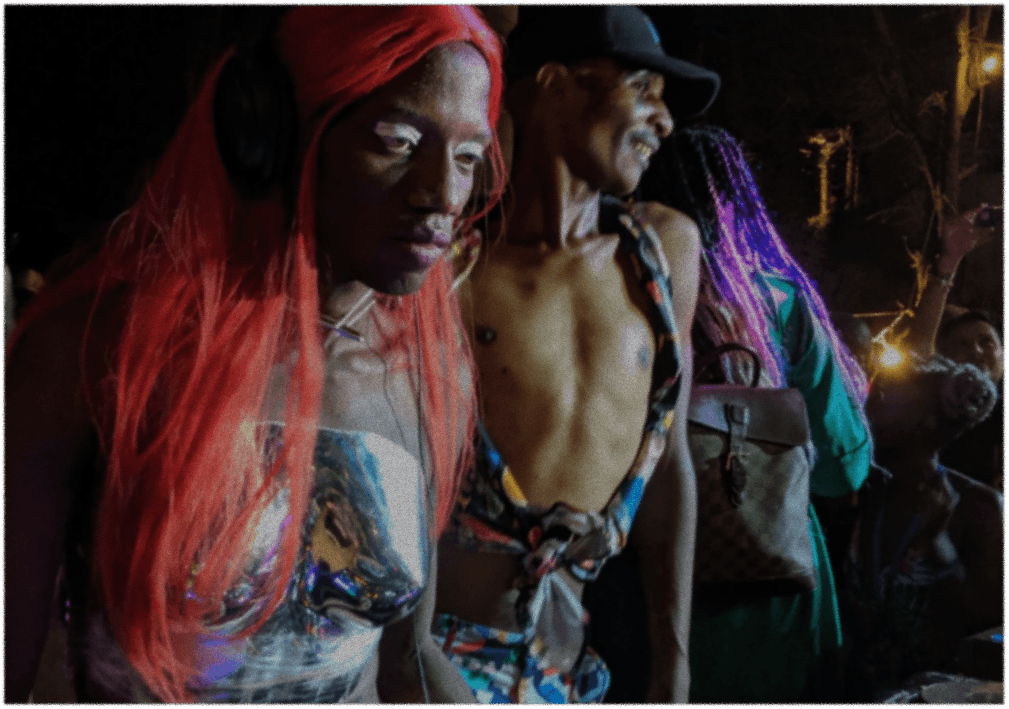
Nyege has always been accepting of outcasts from around the world, including members of the LGBTQ community. Some have gone on to advocate for queer rights via the likes of the collective ANTI-MASS. But these new laws can give pause, and Nyege has fought to find visas and other international residency opportunities to help those who want to escape the threat of a homophobic state. Even if, to date, the law has never been carried out.
“The spaces for drag were actually quite rare in Kampala,” Authentically Plastic, cofounder of ANTI-MASS and longtime DJ and producer for Nyege Nyege, wrote in a recent Instagram post. “But Nyege somehow felt like a space where I could be audacious. I’ve always felt like experimental music creates this ‘temporary zone of indiscernibility’ in which queerness can hide in plain sight, or appear in different guises. It’s almost like the weirdness and velocity of the music, its ‘ex-centricity’, gives people permission to be eccentric as well, maybe it even queers them a little bit. The moral panic around the festival was always there, but Nyege 2019, I think, was the start of major police infiltration into the festival grounds. What was funny was watching their bewilderment at a space in which expression had run amok, creating difficulty for them in determining who was queer and who wasn’t. The whole thing was just so absurd to me, but at the end of the day Uganda is a police state and all the ugliness of that will obviously be laid bare for all to see at any gathering of that size. In spite of all that, the sheer brilliance of the music has always cut through the noise.”
In music, for better or worse, politics is never far behind. The point here is, corruption is rampant. As is hypocrisy. It’ll pave the expressway to the airport with a thousand Museveni posters, but drivers on the pot-hole filled dirt roads throughout Jinja, Mbale, or Gulu won’t dare to imagine fresh asphalt. Rich kids like Mamdani can cosplay artistry and take off to run the world, while others are submitted to bigotry, brutality, or simply normality. The evangelicals might raise their voice with threats, but in the end, they’ll accept backroom bribes. In 2022, the same year the religious wing made serious noises about a shutdown, I walked into the festival “war room” to find massive stacks of cash on the table. “What’s that for?” I asked. “The ones in parliament,” someone replied. I guess good promo isn’t free.
Still, Nyege is a threat, maybe, to the status quo, and they’re surely under watch. Rumor has it that the founders’ phones are tapped by mobile service provider MTN. But it also has big money alcohol sponsors and a wave of European tourists which makes it hard to sweep under the rug. This year there’s been a strange lack of uproar and anti-Nyege discourse (even if Nyege OG Hibotep got blown up by a religious influencer for her witchy promo vid). “Just look, where are they [the evangelicals] now?” Derek (the driver) continues. “It’s all political. Propaganda. It’s never about God. It’s about green.”
Are we gonna talk about the Skrillex in the room?
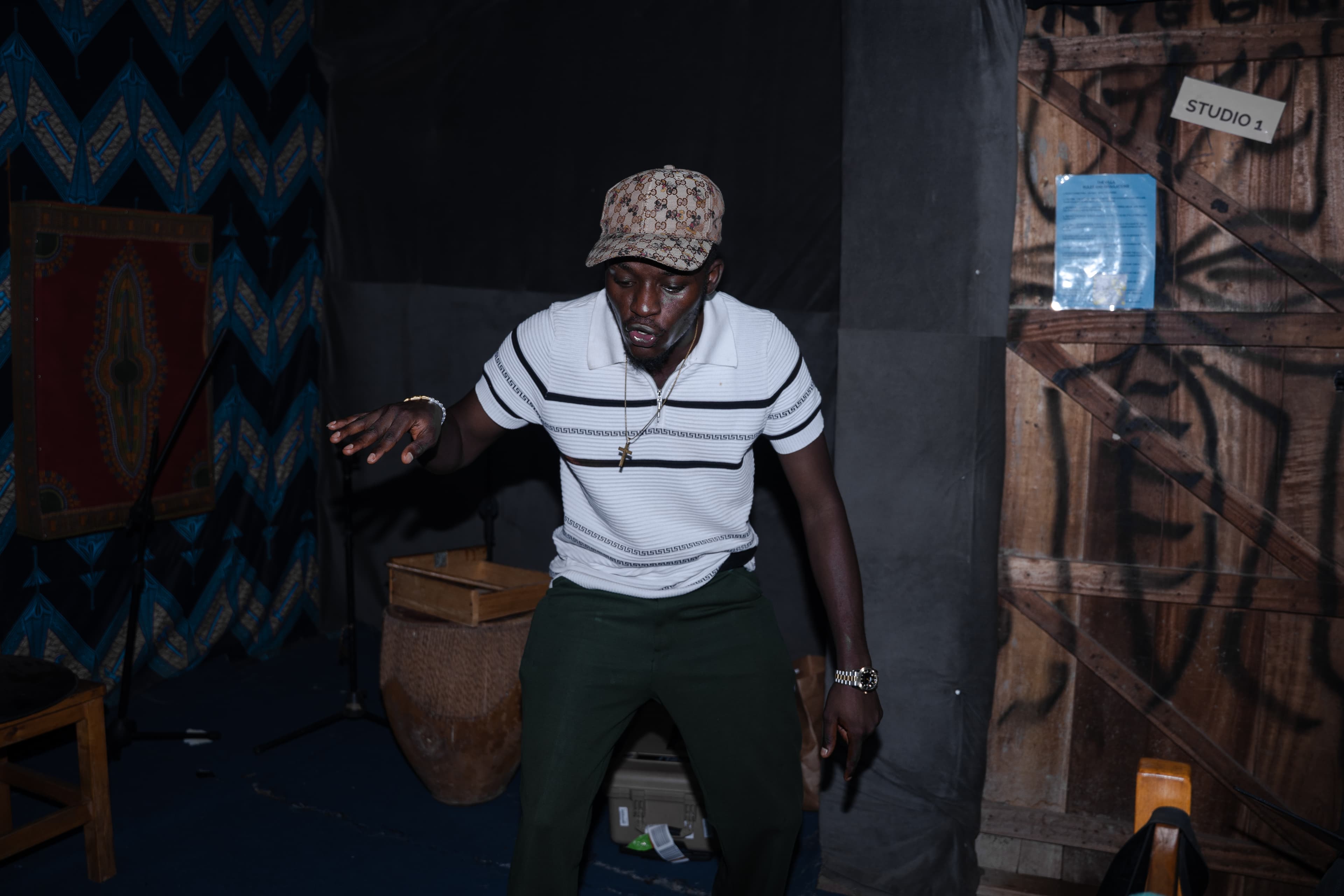
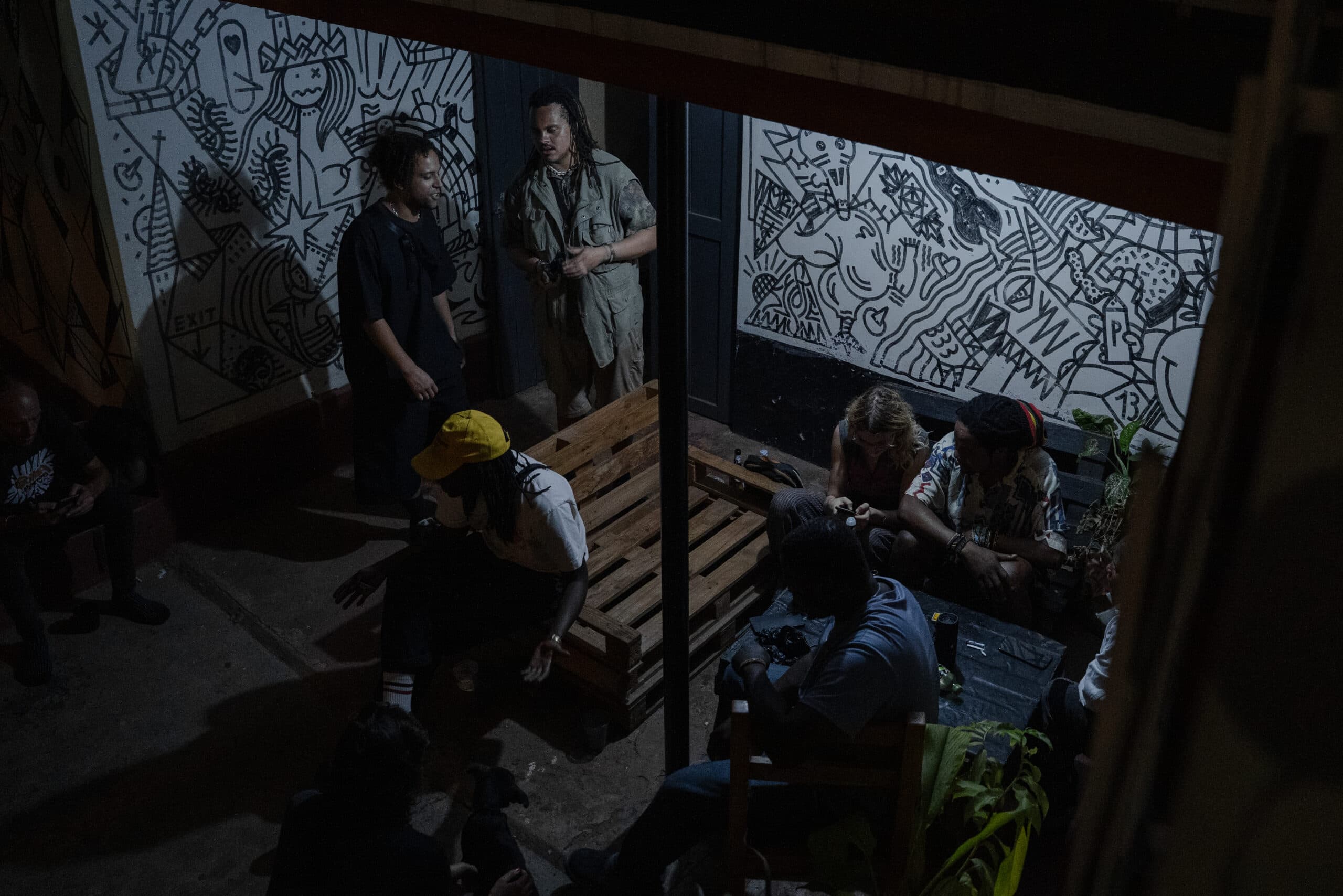
I’m standing outside under the equatorial sun a couple streets off Gbaga Road, waiting for a boda boda1 guy to come so I can cop some black market yellow fever vaccination cards. I’m running errands with Chris aka Tshongo while I stay at the Nyege villa; the collective’s home tucked away in the residential neighbourhood of Bunga with a series of bedrooms, a couple studios (well, mainly one now), a courtyard, and a garden to store the leftover Nyege miscellanea2. Tshongo is from the DRC and works as Derek’s assistant, fixer, and overall go-getter. Formerly based in Kampala, he now lives in Tanzania, but he’s back for the festival and taking care of business. I ask him about his work.
– I just do whatever needs to be done.– Like what?– Well, like last year… I had to get K Zungu (AN: A 17 year old albino singeli singer from Tanzania) some paperwork to travel to Nyege. It wasn’t easy. He didn’t even have an ID. But I made some magic happen and he came over.
In a few minutes Tshongo is heading to pick up Skrillex from the airport. Yes, that Skrillex. The EDM superstar and grammy winner is coming to Uganda on some personal journey of music exploration… I think? Through a network of mutual contacts like Tash LC and Tatyana Jane, he became intrigued in the Nyegeverse and decided he wanted to bring him and his team to Uganda (on his own dime) as a surprise addition to Nyege ’25.
I had rarely seen Tshongo so dressed up, wearing a white and green Louis Vuitton two piece. He looked at his watch impatiently. “I gotta go,” he says, gives me some instructions, and is off. I wait to finish the deal.
Tshongo is one of many souls that drift in and out of the Nyege villa. It used to be filled by a whole crew of Congolese artists. People like Rey Sapienz and Chrisman. Spectacularly creative, sometimes the stories are also a bit tragic. Rey had escaped the DRC during the civil war, leaving his family behind. He spent nights reading Ableton manuals before putting together some freaky Congotronics. After a trip back to the Congo to see his family, something had changed. It’s a hard life to hold together. Between unbridled hedonism, bottomless creativity, and personal trauma. Since, Rey has left. Others fill the gaps. Like Moja Soundsystem, a Sudanese dub reggae group currently in residence, based in Kenya since the coup d’état. The echoes of political instability still resonate in soundproof studios.
Back at the villa I find Ecko Bazz chewing khat, a leafy stimulant from East Africa that gives euphoric energy. You need a lot of leaves and a strong jaw; it takes awhile to kick in. Ecko is wide eyed and talking about starting a secret society to overthrow other secret societies while the leafy paste sticks out from his teeth. Ecko is an Ugandan MC that has laid down some of the most quintessential Nyege tunes with the help of producers like Scotch Rolex and Debmaster. His lyrics are strong and deliberate. Intense like his eyes. He’s been hanging at the villa for a residency with Egyptian firebrand Assyouti, popping his head into my room to talk about dog attacks, primal screams, and the mechanisms of power.
It’s a good time to get conspiratorial. If anyone is in the illuminati it’s Skrillex. Those echelons of music and entertainment are in a separate stratosphere, check that, exosphere. Though through the grapevine it seems Skrillex is a down to earth cat. It’s all about music. Just watch his Grammy acceptance speech where he admits to living in an illegal warehouse in downtown LA before shouting out everyone who came before him. People forget about the scream-o From First to Last days or the viral free Myspace downloads. In the 00s and 10s the kid couldn’t miss. Some people just have the magic touch. “I wanna know if there’s some secret frequency or something,” Arlen mentioned before his arrival. “Some way to produce it to get you there... We obviously haven’t found it,” he finishes with a laugh.
But Nyege is on a whole ‘nother frequency. It’s the aching underground and true tastemakers. Skrillex recently made a track with Kenyan producer Slikback, but Slik was making heat under the guidance of Nyege Tapes for years before he was off on his luminous path. Who can compare to the outlandish flavour of DJ Diaki’s Balani? Or keep pace with singeli? What Skrillex did in 2009, Nyege artists are doing right now. And maybe that’s why he’s coming.
Though nobody seems to be very concerned that Skrillex is on his way. Just another afternoon at the villa. A few members of his team show up first and we crack some Nile beers, the local favorite. Then Sonny (Skrillex) arrives. He’d been producing a track in the backseat of the car and hopped out with his laptop open and in hand. After some brief hello’s it’s straight into the studio. The villa had yet to awaken but Ecko was there. “You ready?” Skrillex asks. “Wanna jump on it?” Ecko obliges with some gnarly, deep throated bars. Then, a gap. A moment between anxiety and creation. Who’s next?
Tshongo grabs the mic. Sonny digs it.
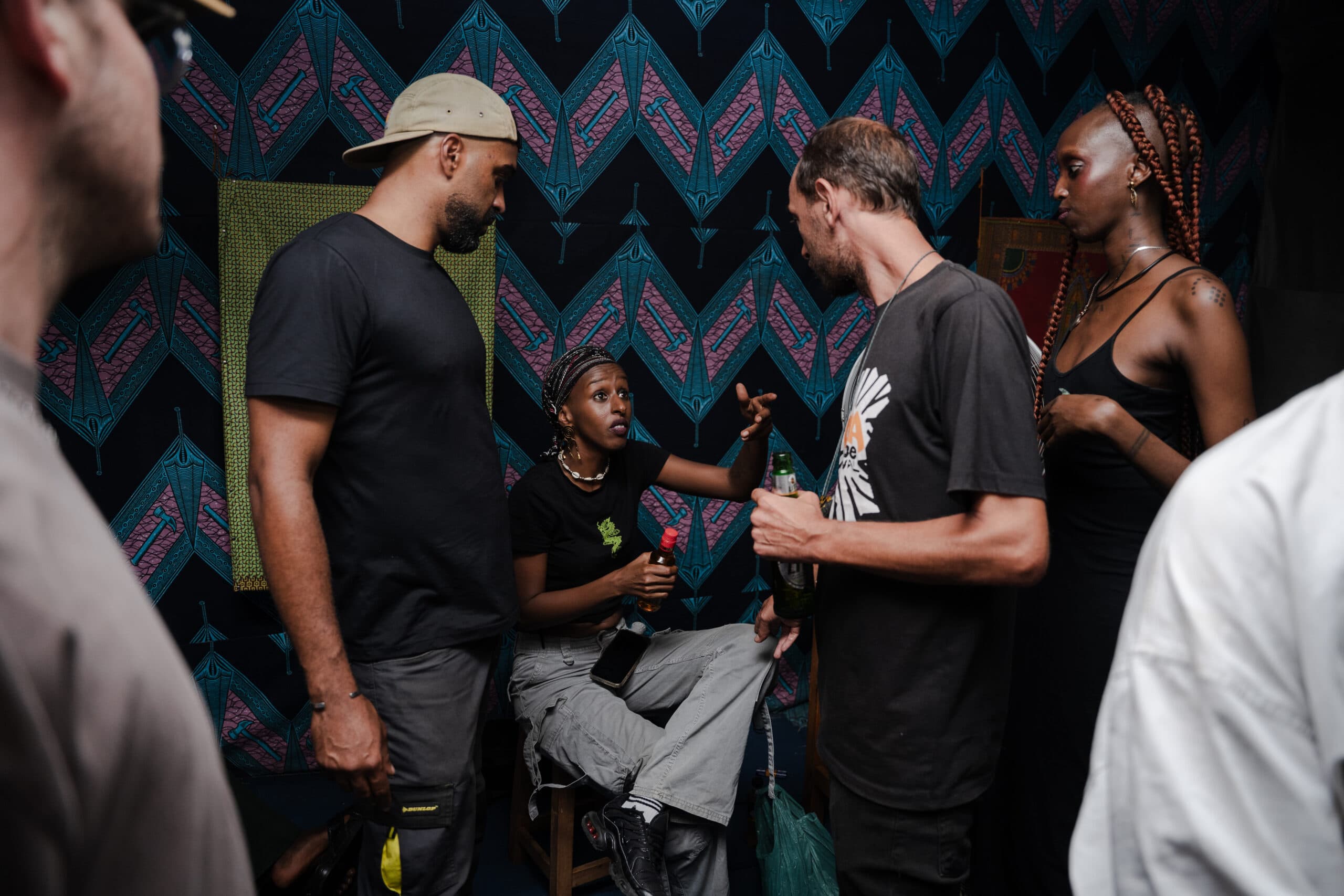
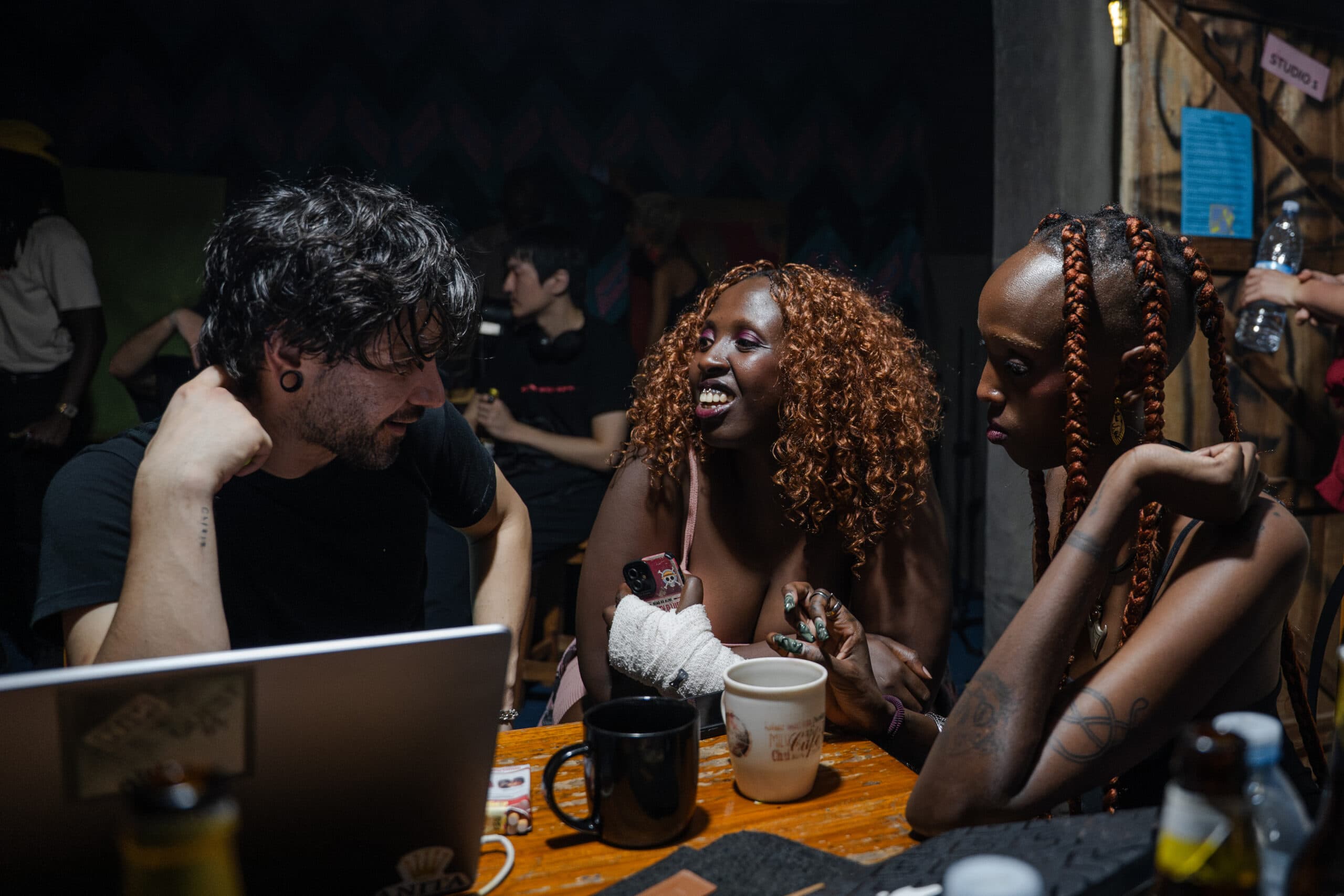
And so, this is how lives are altered suddenly: being there and being ready, no matter who you are. The villa slowly erupts into a party. People from everywhere begin to show up with drinks and ideas. Skrillex pulls together a track with Rwandan trendsetters Miziguruka and Binghi. Ugandan producer and AV artist Masaka Masaka plugs in. Assyouti watches from the back. Everyone is bouncing in and out, laptops in the kitchen, fervent discussions under the white, mosquito covered light of the courtyard. The villa is alive on the bright high of potential things.
“I think I’ll be remembered in this way,” Skrillex told Rolling Stone in 2012. “By the people who were there, who can’t capture or explain it.” Well put for someone entering the Nyegeverse. Don’t capture, don’t explain. Just hit record.
Violence after sunrise
Waragi – /ˈwa.ra.ɡi/ (wah-rah-gee) n. (Uganda) A traditional Ugandan spirit made from fermented bananas, cassava, or sugarcane; clear, strong, and sometimes flavored. See: Lemon GingerEtymology – from “war gin”, a colloquial term used during the British colonial era; associated with a drink consumed by local troops before going to war. Over time the expression is adopted into LugandaUsage – Often served at ceremonies, celebrations, and social gatherings; a highly recommended addition to any Nyege Nyege event if you want to make it past sunrise
Yes, attending Nyege Nyege fest sometimes feels like going to war. A spiritual war that is fought from within; against tired legs, dry eyeballs, and mind melting performances. Nyege Nyege means, after all, an “uncontrollable urge to dance”. And the hardcore B-Side of Nyege Tapes, Hakuna Kulala, means “no sleep”3. So, like battles of old, you’re just a foot soldier. You don’t decide when it’s over. They do. Best to grab a bottle of Waragi and get on with it.
“300 artistes. T’imagines?” Lola, Nyege’s touring agency manager, says with a sardonic grin, “Dour has 200.” That’s right, Dour, one of Belgium’s largest independent music festivals with over 200k attendees only has 2/3 the number of artists as Nyege which sits atop the Kalagala Falls, North of Jinja4, past the source of the Nile. It’s violence. Beautiful violence.
And this ain’t their first rodeo. The festival has been through many iterations. Depending on who you ask, there seem to be a few key years that stick out in memory. For some, like Derek the driver, it’s 2015, the first year, a time when all things were nascent and pure, the opening act of a magic show. For others, like Arlen, it’s 2019; the right size, the right community, all muscle, no fat. For me, it was my first Nyege festival in 2022 at Itanda Falls. This is a controversial opinion.
That was Nyege’s Woodstock ’99. The crew took a big swing on a big site with 100% camping. Unfortunately, they got scammed5, and the day everyone showed up the “glamping” tents, toilets, and overall infrastructure was nowhere to be found. We had planned on shooting a short doc for :pam that morning and mic’d up Derek while he ran around ordering workers to seek supplies, hammered wood into poorly built shelters, and negotiated with disgruntled contractors. This didn’t last long. We soon realised he had other, more important things to do, so we abandoned the doc, and slipped back into the chaos as spectators.
And it was pure chaos. I saw speakers go a’smoke under the mushroom structures of the Hakuna Kulala stage. Artists got electrocuted into the mud (sorry Yunis). There was a mad clown swing ride that hovered shakily over a cliff. Kenyan gangs profiteered off the disorder. Everything was late. Timetables moved like clouds on mushrooms. The military patrolled the pine forest between stages looking for easy marks. One night, because of the torrential rain6, the boat that was supposed to bring us across the Nile to our campsite, sunk. There was no other boat. So, I rolled up a t-shirt in the merchandise stand and slept on the soggy wooden floor. And I fucking loved it. It felt terribly alive and real. On fire with meaning. Because in the end the music played, the people danced, the war was on.
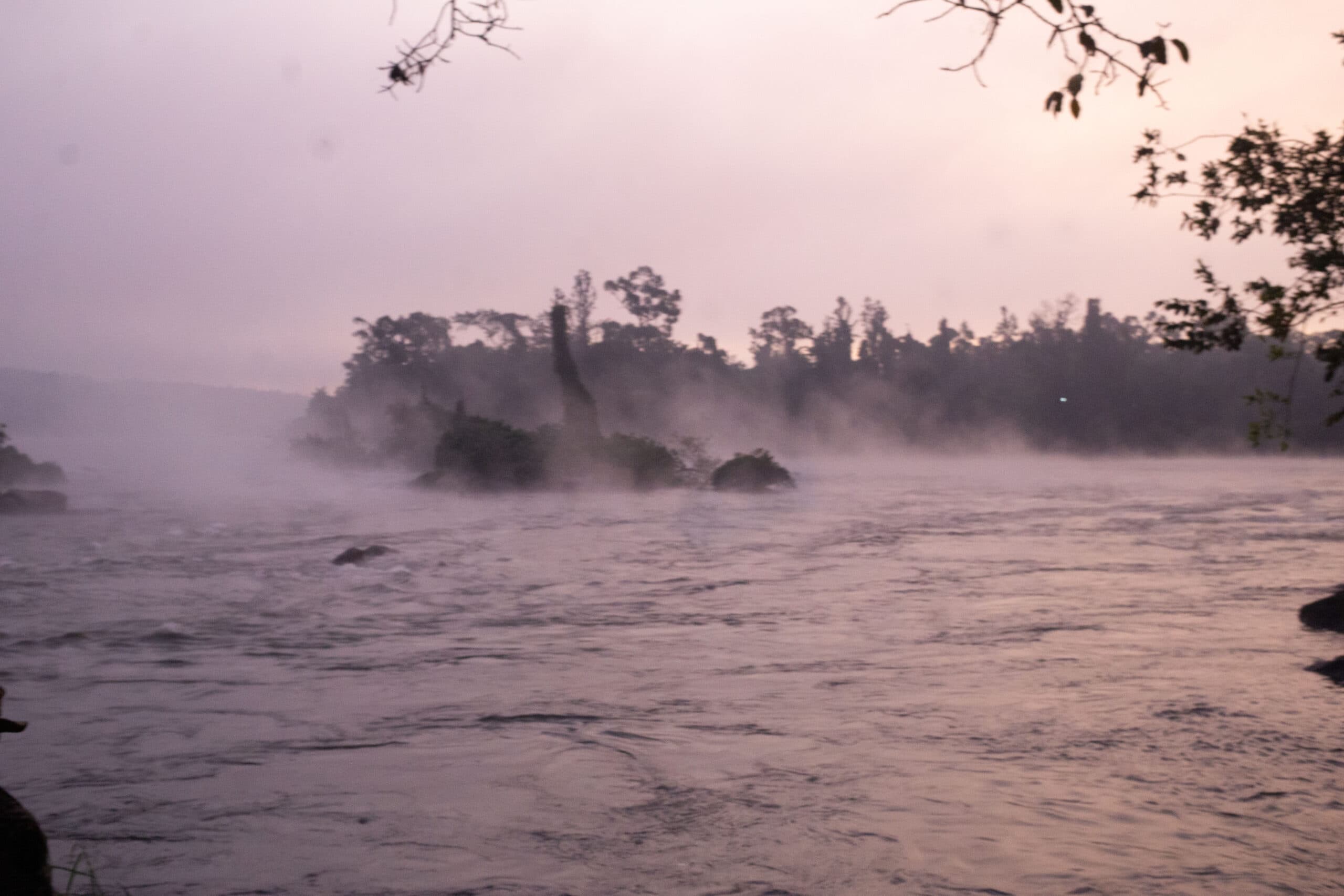
3 years on and Nyege has licked its battle wounds and come out on top. 2023 and 2024 were comeback years. Successfully organised festivals with no extraordinary drama or mayhem. The Nyege brand continues to grow internationally, drawing in a mass of East Africans and swaths of muzungus7 from around the world. After hopping between sites Nyege finally found a permanent settlement in Kalagala Falls, across from Itanda, the spot where I was supposed to pitch my tent 3 years ago (if the boat had come). It feels poetic to look over the rapids into the past: turbulent waters of time flowing under the pulpy breath of Waragi.
These thoughts bubble up as we enter this year’s festival site for the first time. Per usual there’s a hilarious series of security checks, bag searches, and check points before entering. No problem a few shillings can’t handle, but the armed military men and uniformed police are sure to shake down what they can. Like everywhere in Uganda, it’s mostly good fun. Except if you’re our shuttle driver who was forced to remove campaign stickers from his bus windows as a military man stood behind him with a loaded machine gun. Don’t get political, empty your pockets, and you’ll make it through.
Once you’ve passed the gates you enter the woods. There are food stalls with jollof and fufu, Indian stands, and lots of barbecue. Moving deeper into the site you’ll start to hear the music, which is split into 3 (wait for it) stages that represent the multiple personalities of the Nyege brand.
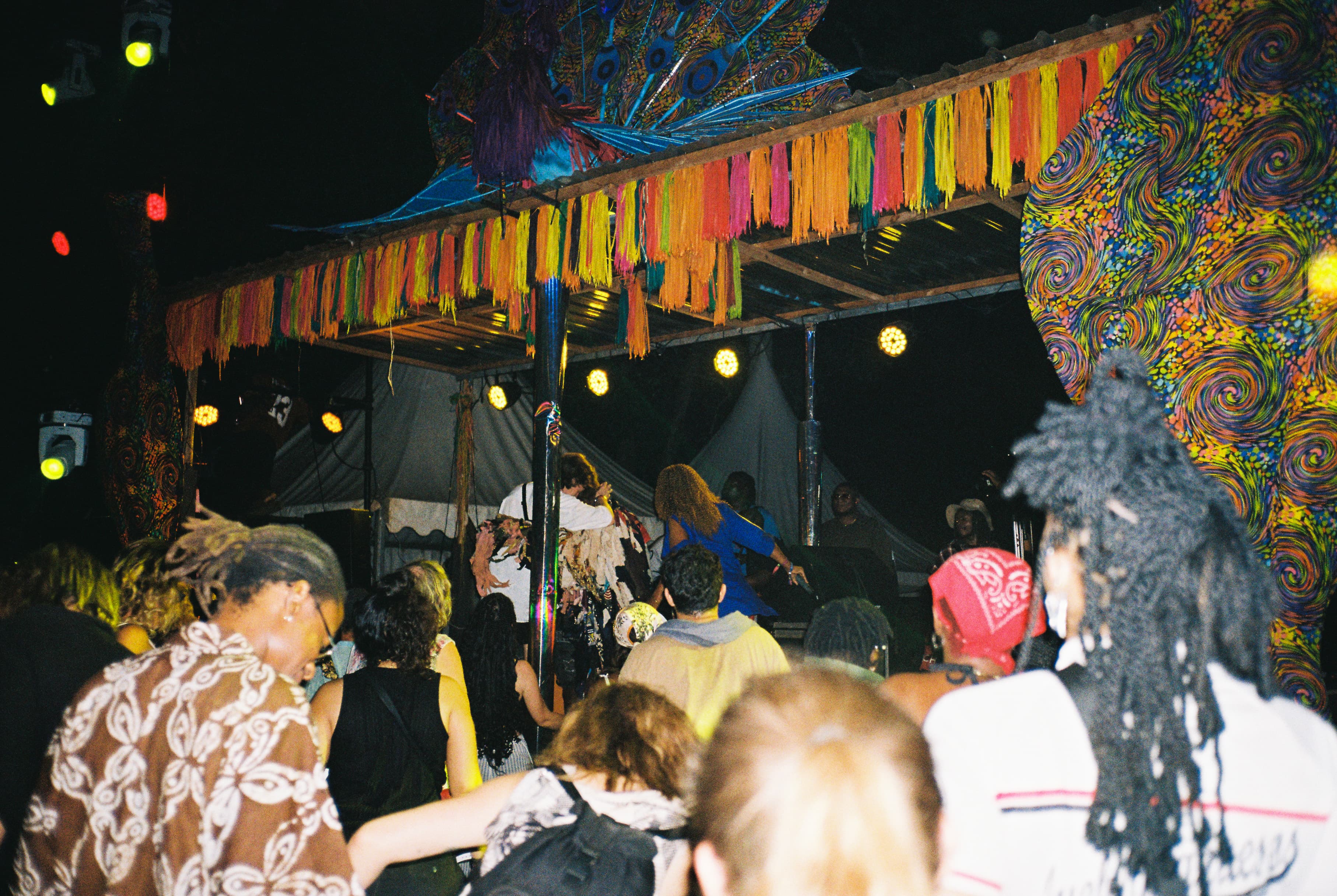
First, there’s Hakuna Kulala. While it bears the name of the extreme underbelly of Nyege Tapes, this is where the masters of positive energy go to play. Formerly “La Tropicale”, Hakuna is where you’ll find cruise beats with DJ Cora, or a massive cyber-singeli performance from DJ Travella. It’s where the hot internationals play, this year featuring B-Clip, Joe Cotch, Tash LC, and Tatyana Jane. The stage itself is decorated with giant letters that brandish its name, and a peacock in the middle; a quasi-mascot of Nyege from a past festival that is now featured on special bottles of Waragi. You can dance in the sand and watch bungee jumpers dangle in the void behind. This is a place of joy and gathering. It’s where you come to find your friends if you are lost.
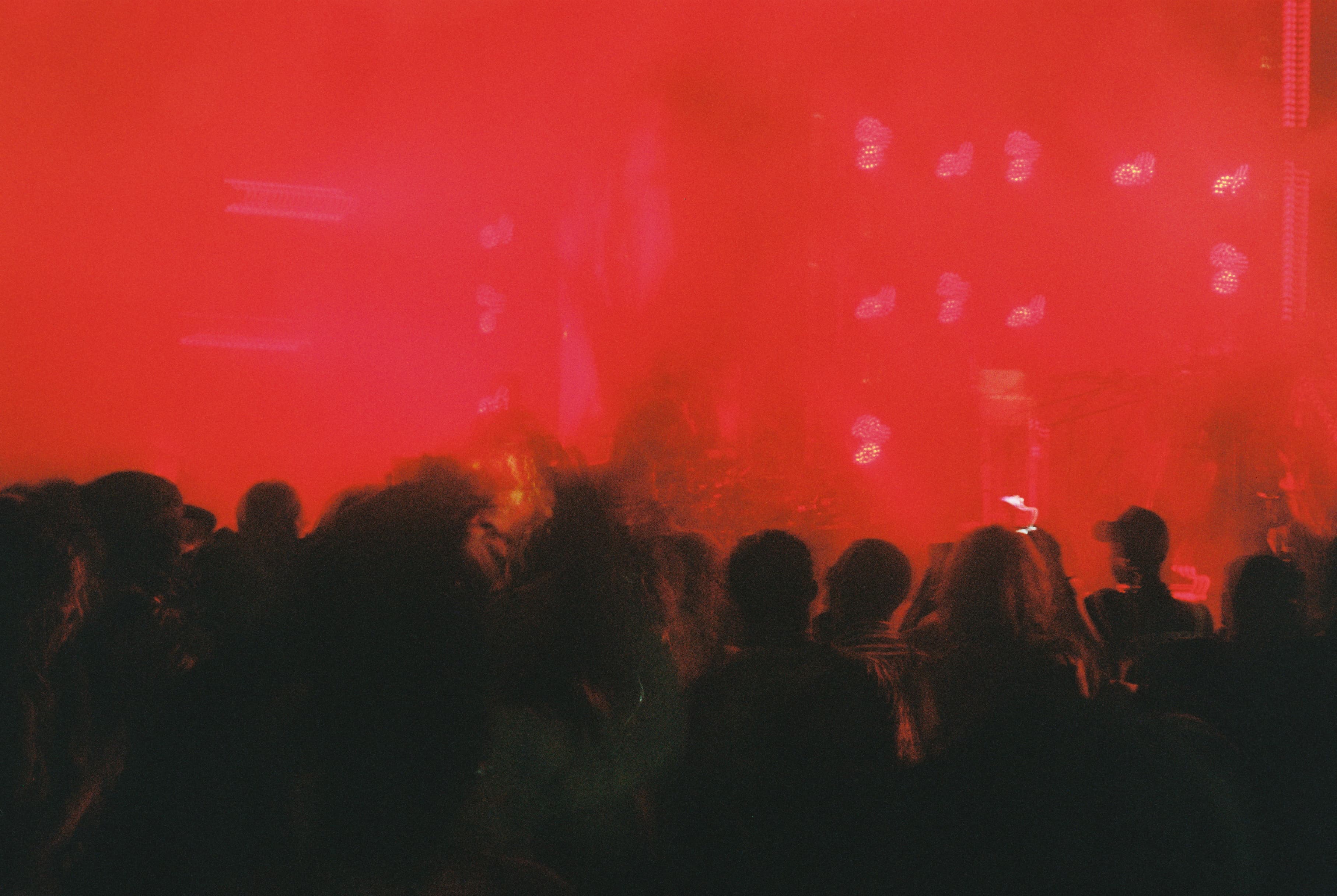
In the middle of the site there’s the Main Stage or The Portal. This is for acts too big not to shine a light on. This can be the experimental troupe Authentic Voices from Africa, or Rwandan kinyatrap MC, Bushali. It’s also home to many of the massive local acts like Otim Alpha and his outrageous Acholi performances or Sunna Ben who encourages everyone to rip off tree branches and thrust them into the air in celebration for the entire set. This is also where Skrillex will play.
Then, far away into the back, nearly hidden by the dense woodlands, is Dark Star. This is where the puritans would find evidence for their witch trials. It’s experimental and a little spooky. The stage is covered in sheet metal with AV projections shooting onto the silver surfaces above. The sound system is full of bass. It’s dark but people are wearing sunglasses. Ecko will perform here with Assyouti. Don Zilla, Hibotep, Nsasi, Masaka Masaka… It’s home turf for the wildest of Nyege’s local roster, with some live performance peppered in to pound the analog back into the system.
Though this year there was a special addition. So I lied, there’s 4. Well, actually 58. Sunrise. A collaboration between Nyege Nyege, Kiosk and Lot Radio, this stage opens at 6AM and goes on until 6PM, synchronised for sunrise and sunset. This gem is tucked away in a corner off the entrance, sitting atop the rapids, looking westward over the Jurassic Nile. This brand new idea is where the spiritual war from within really begins. Looking upon the untouched majesty of the world’s longest river, surrounded by a Dionysian gaggle, washed in the unfiltered howl of the world’s most intrepid artists… When do you sleep?
You don’t. Hakuna Kulala. Grab your Waragi and dance.
Sweating in a holding cell
“We gotta go,” I say to my colleague Théophile. One of our photographers is about to arrive. Day 3 at 8pm. Not ideal. So the carnival of trying to “get things done” during an event like this is on. It’s in these small moments of misadventure that I truly begin to admire the cojones it takes to organize Nyege Nyege in these conditions. It’s not as simple as welcoming Ammar’s (our photographer) arrival. It’s locating him with no service, copping wristbands from de-materialised staff, blowing past security checkpoints with loads of gear, finding (or manifesting) a tent, a locker, a quiet place beneath the pines for a “brief”. A lot of convincing, greasing, and force of will. Plus time. Ammar, a 20 year old immigrant from Sudan is up to the task. As soon as we’re in he’s locking in lenses and ready to go. After this 2 hour rigamarole Théo and I head backstage to store some of his gear while Ammar slips quietly into the festival to begin shooting9.
“Fuckin’ hell,” I say to Théo. “It’s war,” he replies with a smile. Théo is an old school Vice mag veteran and hardcore scenester based in Marseille, currently running the editorial for :pam’s French side. A perfect companion, perpetually in the zone. If any thoughts on this experience seem digested it’s much thanks to many hours at his side and the benefit of his philosophical enzymes.
The River Club is the only haven of peace in the festival. Théo and I go there now and then to steal some WiFi, store our gear, or decompress for all of 5 minutes. We sit down at the bar and order some shots of Waragi and Nile beers. Seconds later, Skrillex comes in. He’s playing at midnight. His laptop is open. Again. He sets it on the bar and starts to run through some of the tracks in his set, notably the ones with the Nyege artists he’s linked up with since arrival. In the days since the villa he’s managed to sit down with Tanzania’s singeli flyboy DJ Travella (see my interview with him), check out some cruise beats from Nigeria, and polish some of the ideas from sessions here and there.
It’s a little rehearsal. Ecko and Tshongo are going to perform with him on stage. But where’s Tshongo? Finally, he arrives, out of breath. Looking flustered. Days later in Kampala I teased him.
– You looked nervous before the Skrillex show, eh Tshongo?– Bro…
While Théo and I were beating our brains to fast track Ammar, Tshongo was sweating in a holding cell in Kangulumira, the nearest roadside town. Tshongo was tasked with acquiring flower for the artists and VIPs of the festival. Needless to say, this crew is loud. And Flowdan was in town alongside Skrillex, so we’re not talking “personal use” quantities. When going through the many checks, Tshongo was stopped.
– I got to the last checkpoint and they caught me with I don’t know how many grams.– What did you say?– I said it was mine. What else am I gonna say? But a soldier recognized me and said, ‘You, you’re one of the organisers. Tell us who it’s for’.– He was looking for more cash?– Yeah, but I didn’t say anything. So he brought me to the police station at Kangulumira.– What did you do? Could you call someone?– Yes, but I couldn’t call just anyone. I called a friend who speaks Luganda. He knew what to do.
Imagine, you’re sitting in a holding cell for a stash that isn’t yours, knowing you’re supposed to be on stage with Skrillex in a few hours. No mind. Tshongo played it cool. In the end, it took a local and 300k shillings to bust him out. He rushed back inside the gates, got stopped and searched a second time by another policeman (who also recognised him) and had just enough time to change clothes and meet Skrillex at the River Club to do a quick rehearsal. Later, Ecko and Tshongo took the stage and held it down for a packed floor.
No headliners only headbangers
The Skrillex performance was alright. I mean, it was surreal. This man is Jesus to my brother and friends I grew up with. And he’s genuinely cool. But that’s not why we were here. It’s great for the locals (maybe for Nyege too?) but after about 10 minutes I headed to Dark Star to watch Assyouti and Ecko perform some tracks they’d been working on while in residency in Kampala.
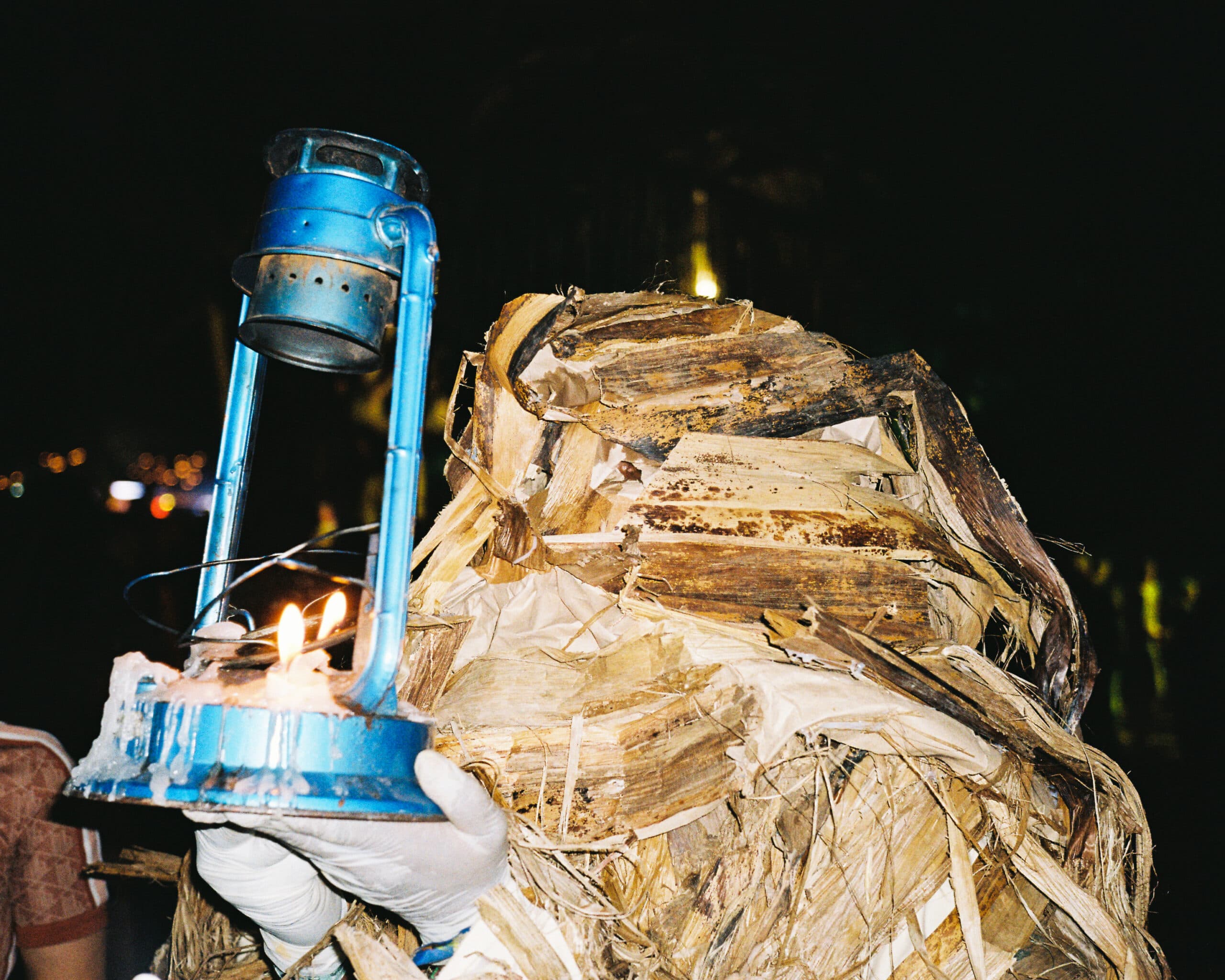
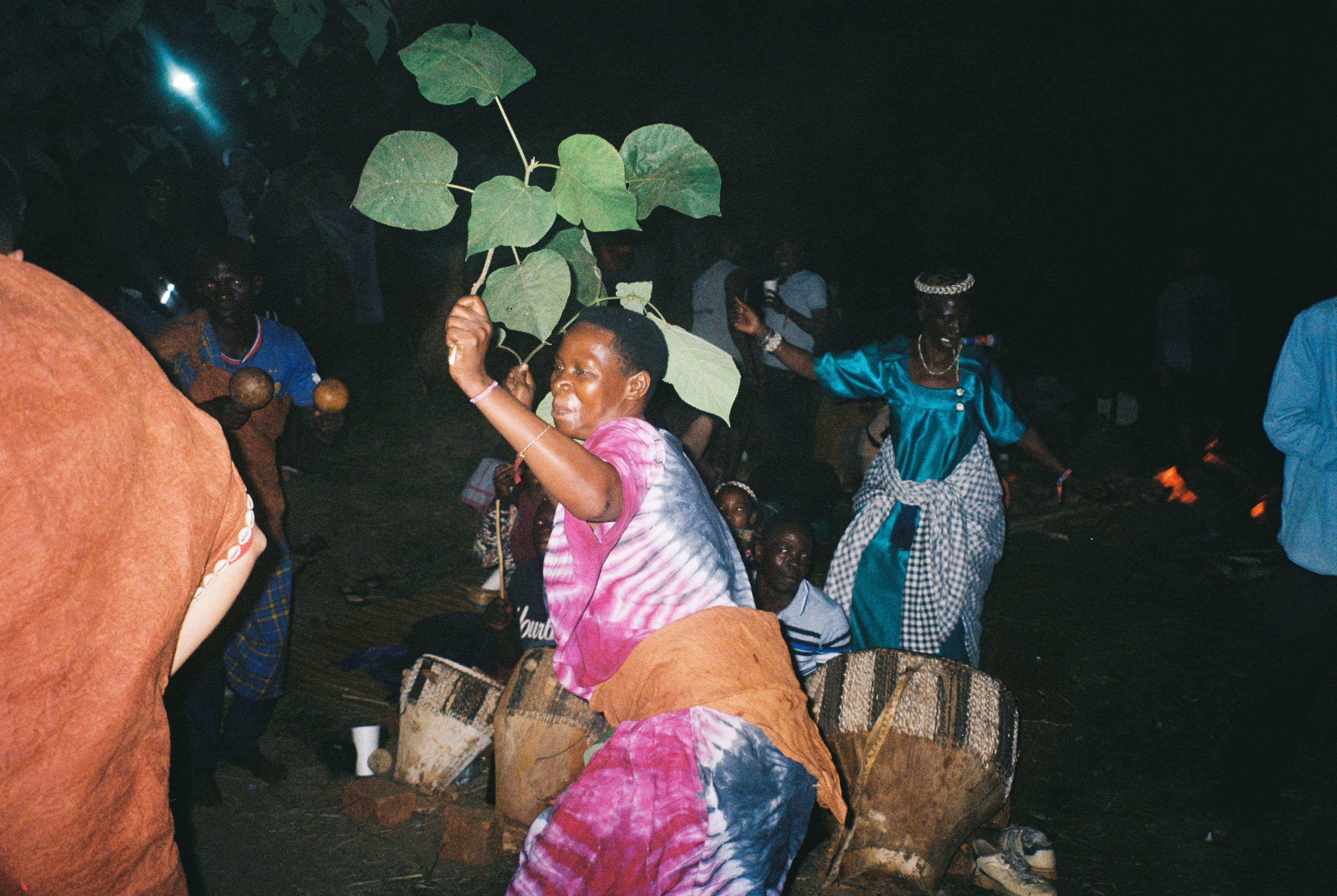
In any case, it’s impossible to see everything. No matter how hard you might try. And DJ sets aside, Nyege has a talent for picking the raw original music that comes from nowhere but an artist’s hometown or own head. And Derek has a special gift for adding that weird bit of wonder that might come strolling in from around the next corner. The Burundian Drummers may walk up on your morning coffee or a witch doctor could stroll past with a burning effigy… it’s good to stay on your toes and keep moving.
This year’s program was aggressively over the top. But there has to be a special shoutout to singeli. The wacky and vicious twerk music out of Tanzania has been an arc in Nyege’s arrow for some time. Nyege was the first to break the mchiriku, taraabu 2.0 hybrid on the international scene. This is 200 bpm of electric zips, drum breaks, and seductively repetitive melodies. From the original masters like Sisso and Maiko who continue to advance their stage presence with new schticks and fresh tunes, or Jay Mitta who just goes up and crushes your brain with pure singeli force, the newly formed female supergroup Pili Pili Girls, the incomparable light of MC Rehema Tajiri, or the rising star DJ Travella… Everyday there was singeli, and every time it was pure joy. Twerking, dance floor commands, and stage gimmicks from the likes of dancer Hemedi and his endless theatrical appetite for Sportsman cigarettes channel the Nyege experience perfectly. “I remember with singeli, up until the last second we weren’t sure,” Arlen told me with a smile. “We were really scratching our heads.”
And there are more homegrown originals. Like the self produced gqom from AKIID. The dark, enchanted bass music from Durban that makes you wanna jack a car and then burn it in a ritual seance. His set at the Sunrise stage on Sunday morning was a transcendent portal into some alternate, bass washed reality that possessed the whole dance floor.
This year also featured a cruise beat carnival, the Nigerian trench music popping off in Lagos’ outskirts, jumping from TikTok into the streets with the help of legwork dancers like Skilo Richie (also in attendance). Producers DJ Tobzy10 and DJ Khalipha alongside the originator DJ Cora slipped into the Nyege mold with ease, giving singeli a run for its money. Though, to be honest, they have a long way to go to match the unbridled party spirit of Dar es Salaam. Who can? We’ll keep watch.
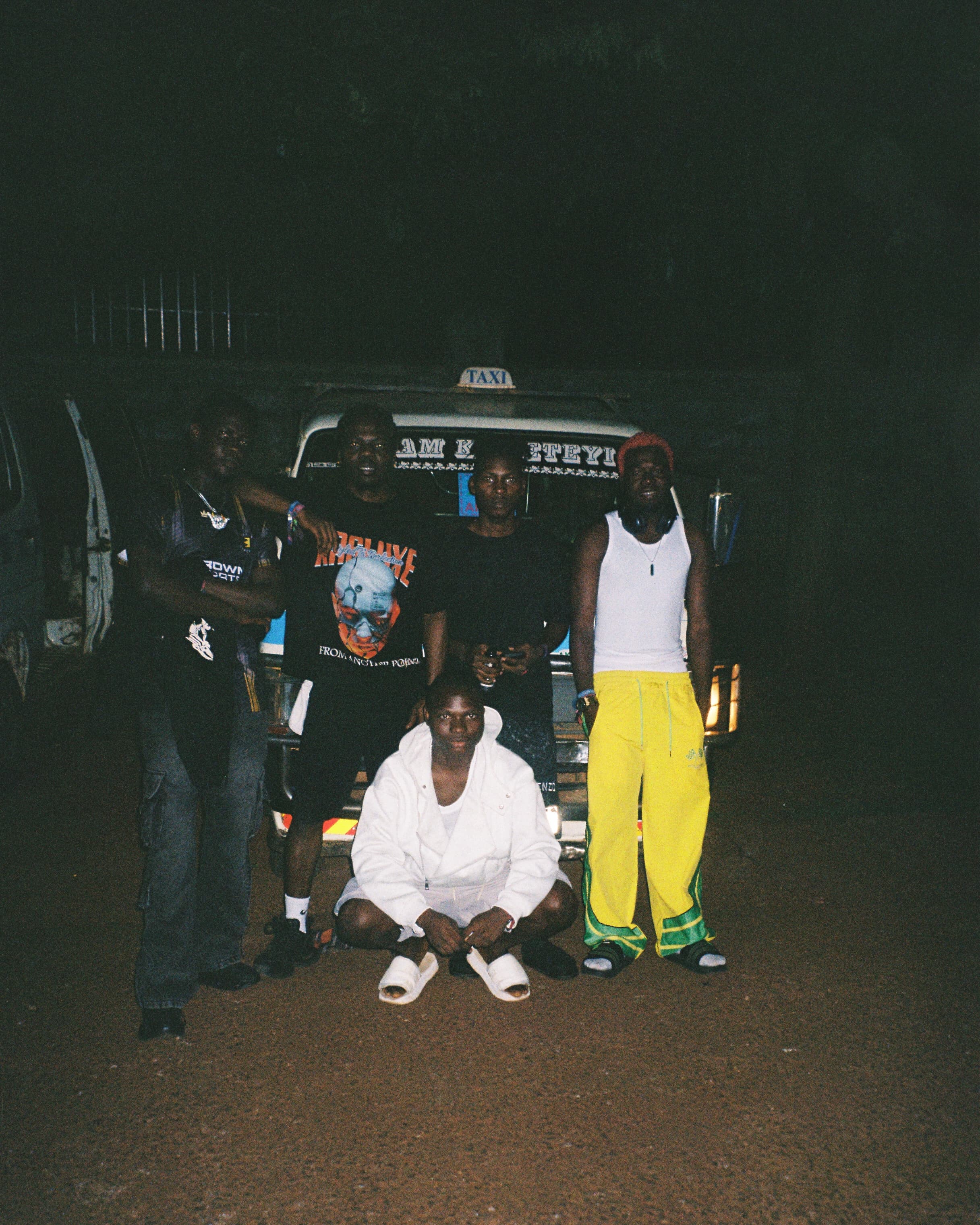
There was a bubbling masterclass from DJ Shaun D and De Schuurman. Shaun D is De Schuurman’s teacher. He showed the most physical DJ on earth how to slice up a snare with low cut filters, engineer the Dutch-Surinamese hybrid with hollow kicks and stabby synths, and tour the world riding on the laurels of a scene born in the bouncy corners of Den Haag. To see them together, ripping the speakers apart, is a footnote in bubbling lore11.
Attendee turned mainstay Vinnau is a must see. His categorical knowledge of all the baile funk, brega, and weird sounds from Amazonia to Rio are twisted for your listening pleasure.
Arsenal Mikebe, the Ugandan drum troupe backed by sound scientist Jonathan Uliel Saldanha was perhaps the most powerful performance of the entire festival. It felt like an Ayahuasca trip teetering on the edge of fear and awe. The three drummers fired beats into your chest while Johnathan submerged the sound in a growing emotive fog, like a haboob chasing the horses of war.
And, of course, a xylophone battle in the dead of night between Nakibembe and Buyemde. Each group went off on 10 minute licks, these vast repertoires stored carefully inside the minds of each musician, sitting on the ground next to the instrument whose resonant body is carved straight into the earth. Nakibembe had the advantage with their rich wooden tones, keys made of thick ensambiya wood. But Buyemde held their ground thanks to the complexity of their sharp rhythms and high pitched wails.
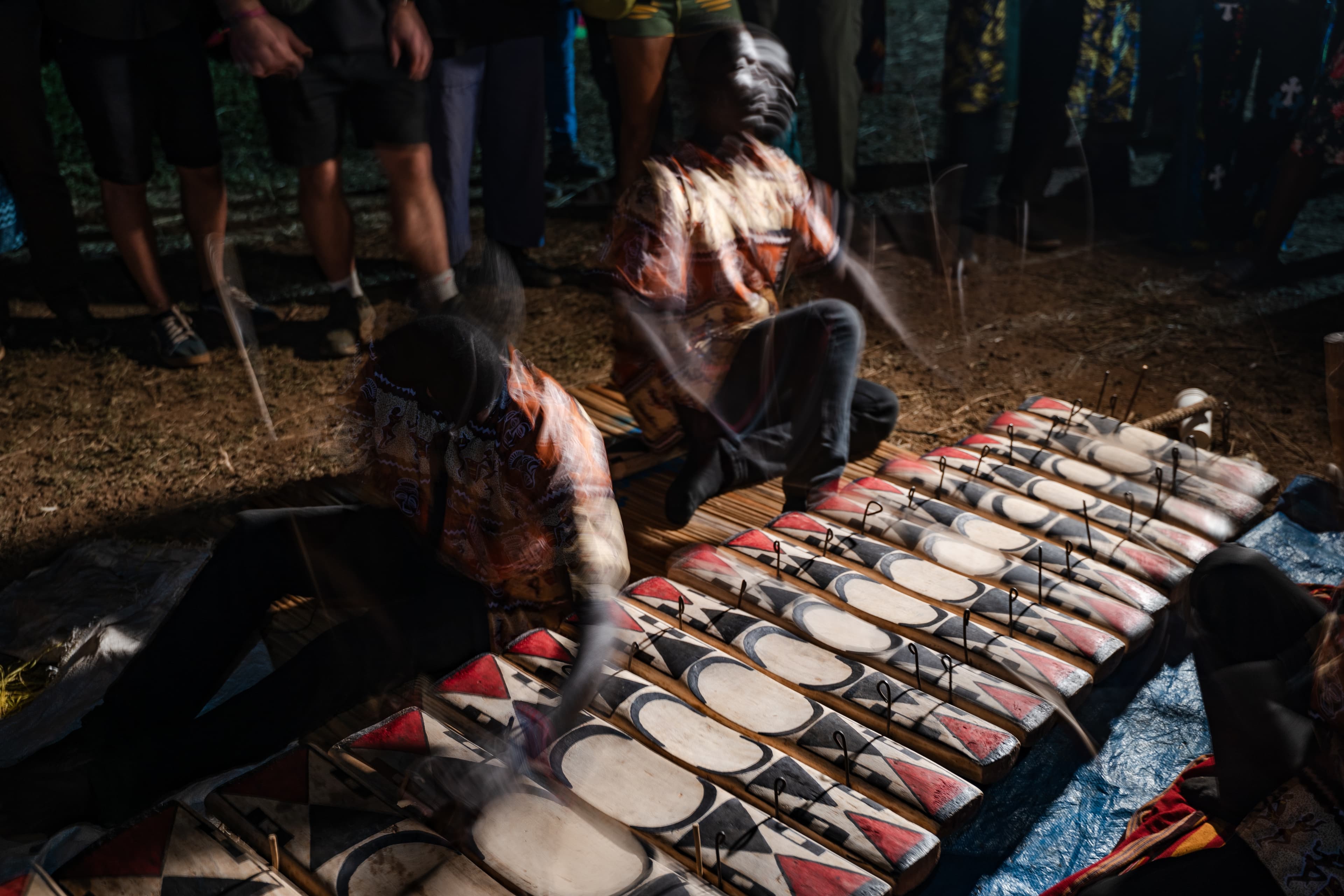
In the daytime I strolled past Kucwiny Theatre Industry, a group of about 12 players from from Northwest Uganda rolling on the ground, stomping their feet, and walking into trees with their vuvuzelas like some ill-programmed NPCs of another funkier, more playful dimension.
DJ Marcelle12 closed off the festival on Sunday night with 3 hours of her fearless mix of gut busting dance tunes over laugh tracks on vinyl.
“We always like a little bit of a punk vibe,” Arlen said of the music that animates Nyege. “It being readily accessible was never really a determinant.” Accessible? No. Uncontrollable urges? Yes. It’s in the fucking name.

After the festival I hitched a ride to Mbale at the base of the Elgon mountains in Eastern Uganda near the Kenyan border. I was there to track down DJ Jeff the Last Born and Masaba Nationz, artists from Nyege who play their own variations of kadodi music. Kadodi is played among the Bamasaba during a rite of passage ritual for adolescent males called Imbalu which ends in public circumcision. It’s a rich and fascinating music woven into the 9 part ritual that takes place over 12 months during the “even” years. So, for 2025, the boys’ members remain intact.
Riding shotgun with Masaba in his 4/4 off-roader along the bumpy unpaved roads of Mbale he asks me why I came all this way for kadodi.
– It’s just too good. That little drum: ta-ta-ta-ta-ta-ta. You know that one?– The butala, yes. It calls everyone. Mothers will leave their children in the house with the pot cooking if they hear this on the street13.
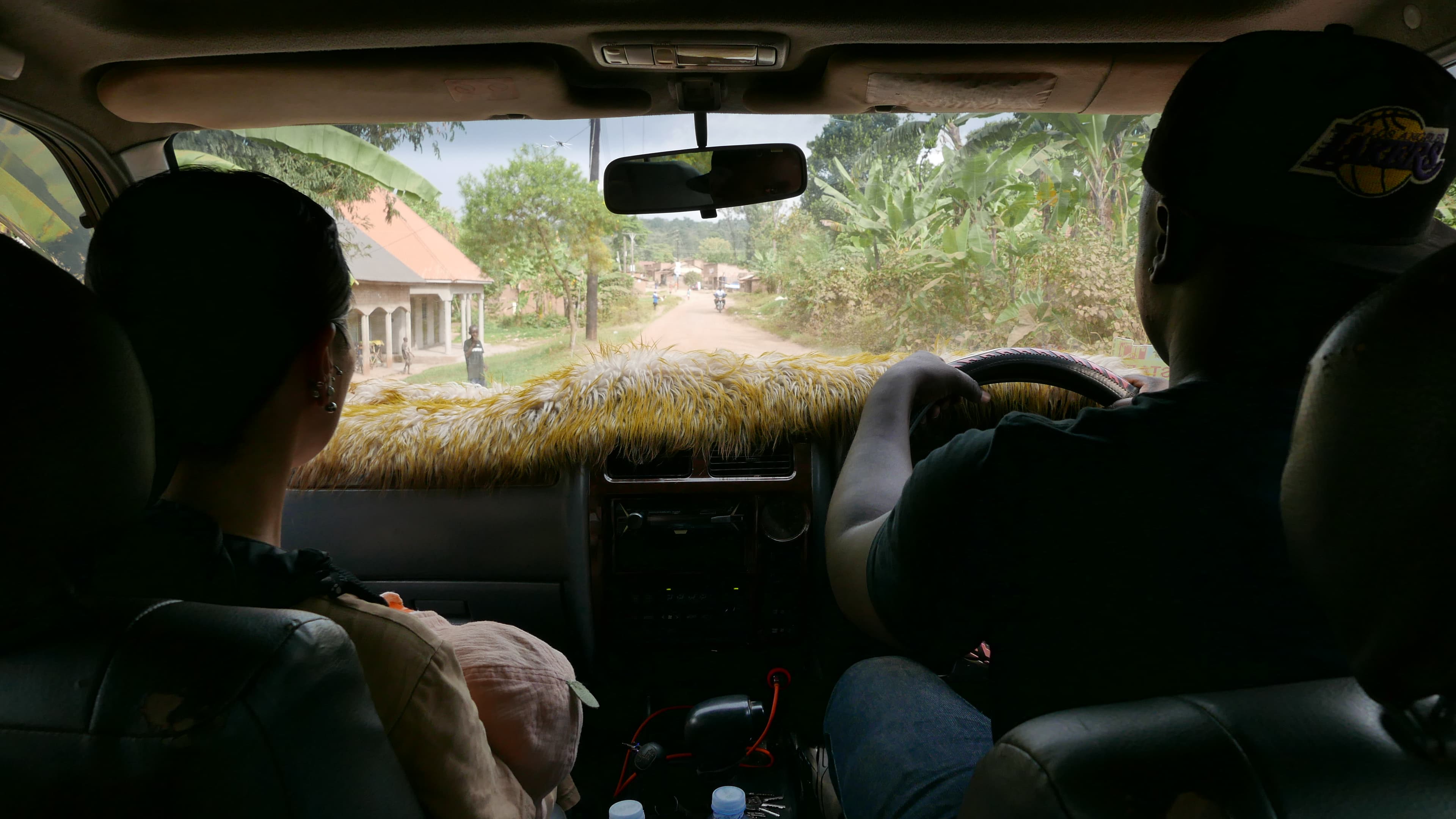
I spent the next few days sitting atop waterfalls and distributing cash to put together Kadodi performances, drinking kwete, a local fermented brew, and soaking up the distinct mannerism and vibes of the Bamasaba people of Mbale, different still from that of Kampala or Jinja.
It’s a reminder that Uganda is made up of many peoples, kingdoms, ethnicities, and chiefdoms that go way back. The country has 41 indigenous languages, including the Lumasaba dialect of Mbale and the 4 cardinal regions that currently split up the map are gross simplifications of many precolonial chiefdoms that include the Buganda, Bunyoro-Kitara, or Ankole, each with its proper history, not to mention the distinction between the Bantu groups of Southern Uganda versus the Nilotic groups of the North.
These distinctions bleed into contemporary history, how the British colonial order used race based recruitment in military vs administration of the government, and the context of Uganda’s civil war and military insurgencies14 that preceded Museveni’s rise and consolidation of power. While much of the conflict of the past can be described as regional rather than racial, bureaucratic vs spiritual, or functional vs grievance, in the years since Museveni’s takeover in 1986, what was once welcomed as a relief from civil violence, uniting everyone under a single “Uganda”, has now soured into discontent with the overt corruption of unchanged power. Though for many, it’s just a hard fact of life and the price of peace.
In the Imbalu origin story, a Kalenjin woman by the name of Nabarwa is said to have arrived in the Elgon mountains, seducing Masaba with her great beauty. However, in order to marry, she required that Masaba be circumcised. In an act of love and public bravery, Masaba performed the circumcision before the eyes of his people sealing the covenant with blood and iron. Masaba and Nabarwa became the ancestors of the Bamasaba, deified in Gishu cosmology. From then on, all males, after a certain age, are required to undergo the act of their forefather, ritualised for social cohesion and physical identity. For the Bamasaba, pain is transformative, the birthright of manhood, and must be endured without fear. Without complaint. Perhaps even, with joy.
On the way back from Mbale to Kampala, passing through Jinja, Bobi Wine was holding a rally. Ecstatic crowds waving Ugandan flags and wearing red t-shirts were facing off blockades of mounting military and police presence. Groups begot in the soulcatching fever of righteous feeling. In front of them, metal. By the end of the day, 12 Bobbi Wine supporters were hospitalized, 1 was killed. My driver honked in support of the caravans on the way out of the city.
Hangover and afterparties
These kind of things don’t have an end. It’s been 10 years after all. How do we distinguish the fine line between a hangover and an afterparty?
I wake up at the Nyege villa and lurch over to the light switch. *flick* *flick*. Still no power. It’s been off for a few days now. The festival ended a week ago. I’m back in Kampala wrapping up my affairs, waiting for the afterparty, and trying to get some work done. Tough without electricity. My phone and laptop are dead. Uganda runs on hydropower from a dam on the source of the Nile in Jinja. This engineering marvel produces about 85% of the country’s energy. But it’s also prone to load shedding, i.e. rolling blackouts that can affect neighbourhoods for unspecified amounts of time.
Thankfully, a group of Polish attendees offer a bed at their place not far down the road in Bunga. They have power, they explain, because their grid is surrounded by military higher ups and televangelists with nice large villas just off Lake Victoria. On the way there one of them happily recounts how he’s just back from the police station, filing a report for an insurance scam that he uses to finance his yearly trip. As he explains the details, I hear the clink of ketamine bottles in a pharmacy bag.
The strange ecology of a cultural movement… The rapids underneath the festival power the grid, but move its electric waves in “expressway” directions. Corruption hangs over an impending election and the muzungu in the bunk bed next to me is running enlightened scams. Festival hangovers. Political hangovers. Afterparties for 91 year old autocrats. When is it time to go home? Can you hear the 1000 species of birds chirping in the morning light? C’mon just one more song. 31 million tons of gold is supposedly discovered in the east of Uganda near Busai. Chinese mining interests hover close by. 300 artists walk off the Nile riverbanks and filter out onto commercial airplanes around the world. “We just keep finding layer upon layer of mutations and micro-genres,” says Arlen. A gun is loaded in the back of a military van careening down a long dirt road. A photographer shoots a tourist’s painted face. A golden crested crane cracks its wings over the wetlands on the Congolese border.
“There’s an image that exists in people’s heads,” Derek says. “And that image is simple and problematic. How can you fixate a people and their history and their possibilities and their existence… How can you fixate it into these narrow definitions and ideas? Don’t assume what is Africa, what is Uganda… Just be open enough to constantly want to know. The festival is a catalyst. It’s where you try and do it all at once. The festival is where we can try out new social experiments. We want to do something different. We’ve done a lot of festivals, but there’s no festival like ours. And we know why. We want to create something that’s more than a festival, it’s a social gathering. It’s where our community makes sense and it comes together. Where everyone is in awe at how great we can be together… Keeping 300 artists in one place for 4 days is quite an effort, but it materialises into something real. Whatever you hear at Nyege Nyege, it’s not that easy to hear elsewhere. It’s this explosion. It’s a chance to challenge people. Where they can grow. Nobody is blasé about the experience. It’s never gonna be perfect because it shouldn’t be perfect. The main purpose is to transform people. Forever.”
The road home
On the way to the airport I ride with Henry. He’s a part time driver, full time paramedic, deeply involved in the Bobi Wine campaign. He attends rallies to provide medical support for those who are injured. Henry has been kidnapped, detained, tortured, and dropped off on the side of the road for his involvement in the first Bobi Wine campaign. But he’s undeterred. “I don’t give a damn,” he told me, “I’m dedicated to liberating my country.” Henry is a final dose of reality on the way out of Uganda. The stark parallel of worlds that exists in the same moment. A temporary autonomous zone within Nyege, and a fight for self determination in the streets next door. Haunting music straight from the soul. Capital-T Truth claims from state sponsored television. Boogie men and blotter paper. “I love Nyege Nyege,” he told me. “I’ve made many friends from this festival. They’re all good people.” When he dropped me off he slipped me a gift, a People Power beret worn by Bobi Wine supporters with an upheld fist inside the outline of Uganda. “Don’t show that to security,” he says with a laugh. “I won’t.”