Archives
On July, 5th 1975, this tiny African archipelago in the Atlantic Ocean, called Cabo Verde, gained freedom from its Portuguese colonist. In the very next days, young Alcides Spencer Brito was having fun with his brother Nhelas Spencer, trying to invent slogans to compete the ones they would hear all over the streets. They eventually found inspiration to transpose that collective euphoria in words, with the line “Cry out ‘Long live Cabral!’ ”.
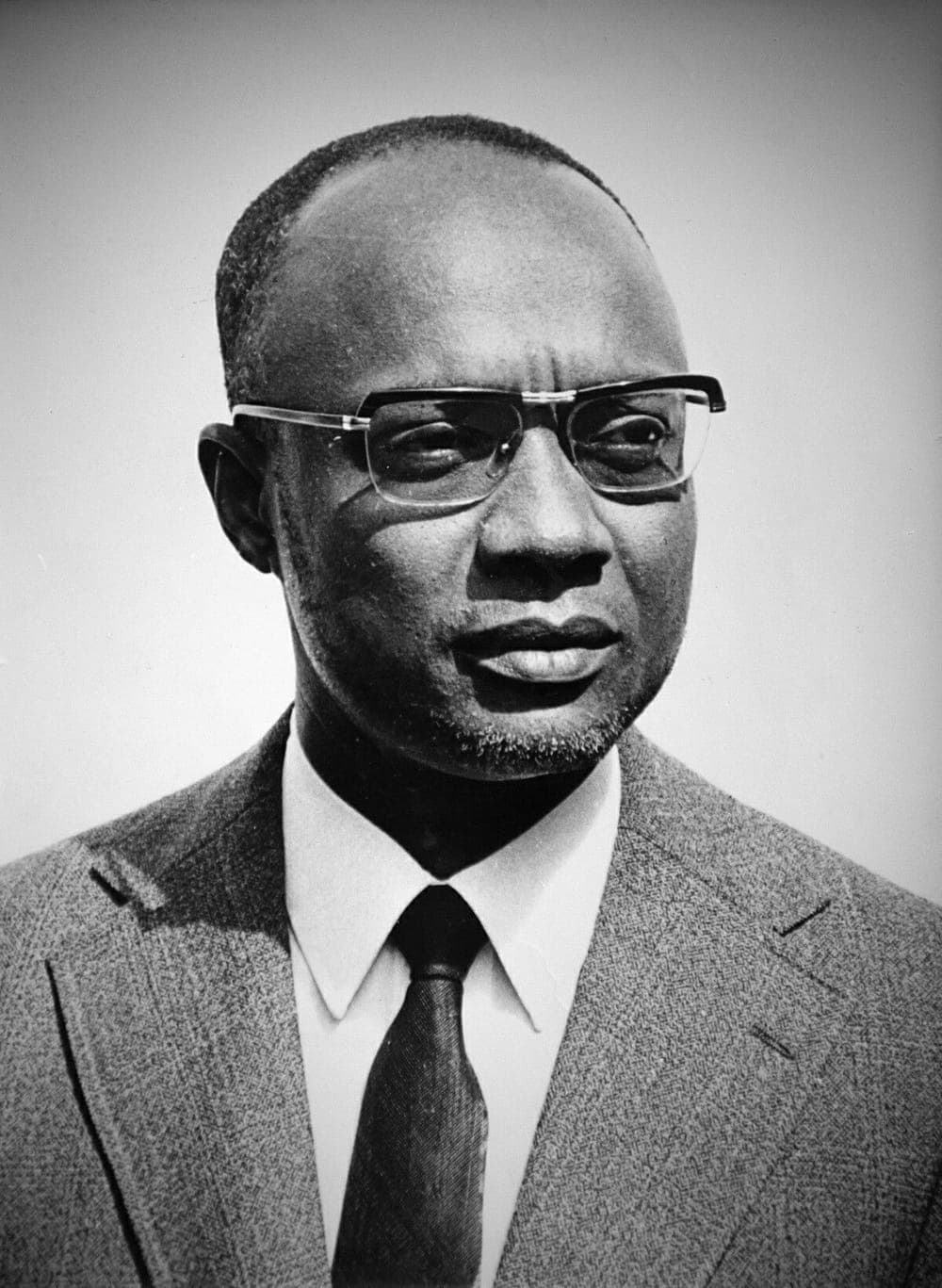
Amilcar Cabral - Labanta Braço
“Labanta Braço” is probably the perfect ode to Cabo Verde’s independence, written in the creole language of the island of Sal, where Brito lived then. The song pays tribute to then-late Amilcar Cabral (1924-1973), founder of the African Party for the Independence of Guinea and Cape Verde (PAIGC) and leader of the fight for liberation of the two Portuguese colonies, who was assassinated in 1973 before the birth of the independent nation.
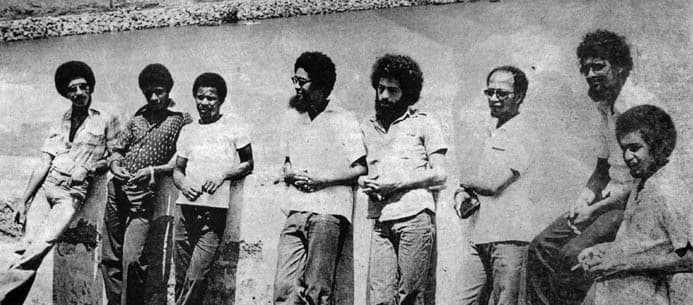
After having been performed by Brito himself with his band Voz Djassi and recorded by a Cabo Verdean band exiled in the Netherlands - with no current discographic track - the song was eventually released in 1976 and immediately made popular by cult band Os Tubarões on the album ‘Pépé Lopi’, in the voice of great singer Ildo Lobo. It then spread massively to the Cabo-Verdean diaspora in Africa, Portugal, Netherlands, France, USA, etc.
Labanta braço grita bô liberdade (x4)Grita povo independentiGrita povo libertaduCinco di Julho sinónimu di liberdadiCinco di Julho kaminhu abertu pa filicidadiGrita “Viva Cabral”Honra kombatenti di nós terra
Raise your arms up to shout for freedom (x4)Cry out, independent peopleCry out, liberated peopleThe 5th of July, synonym for liberationThe 5th of July, open path to happinessCry out “Long live Cabral”Honor the fighters of our land