Archives
South Africa’s Kwani Experience reunites the global family for a new track to compliment their recent release.
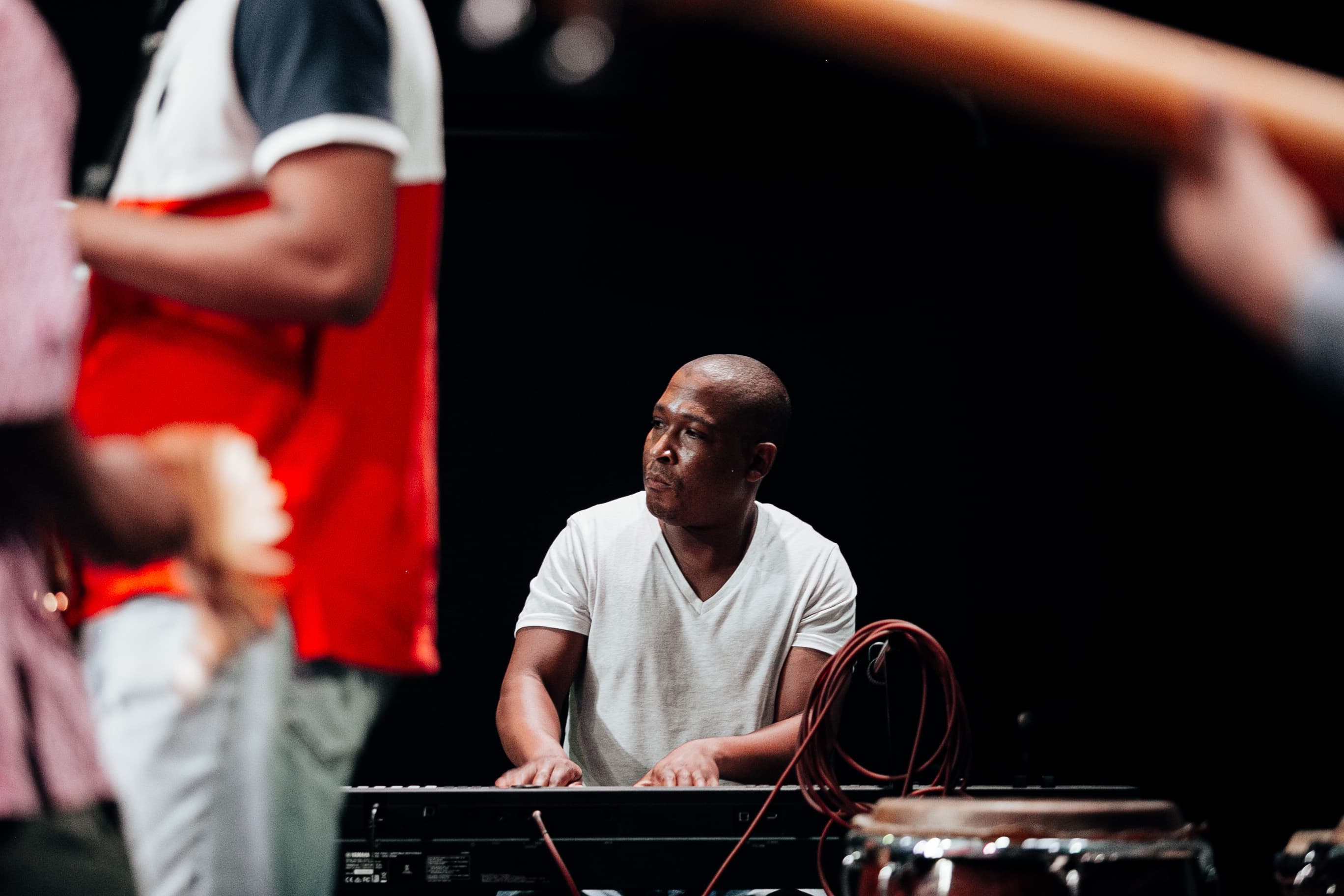
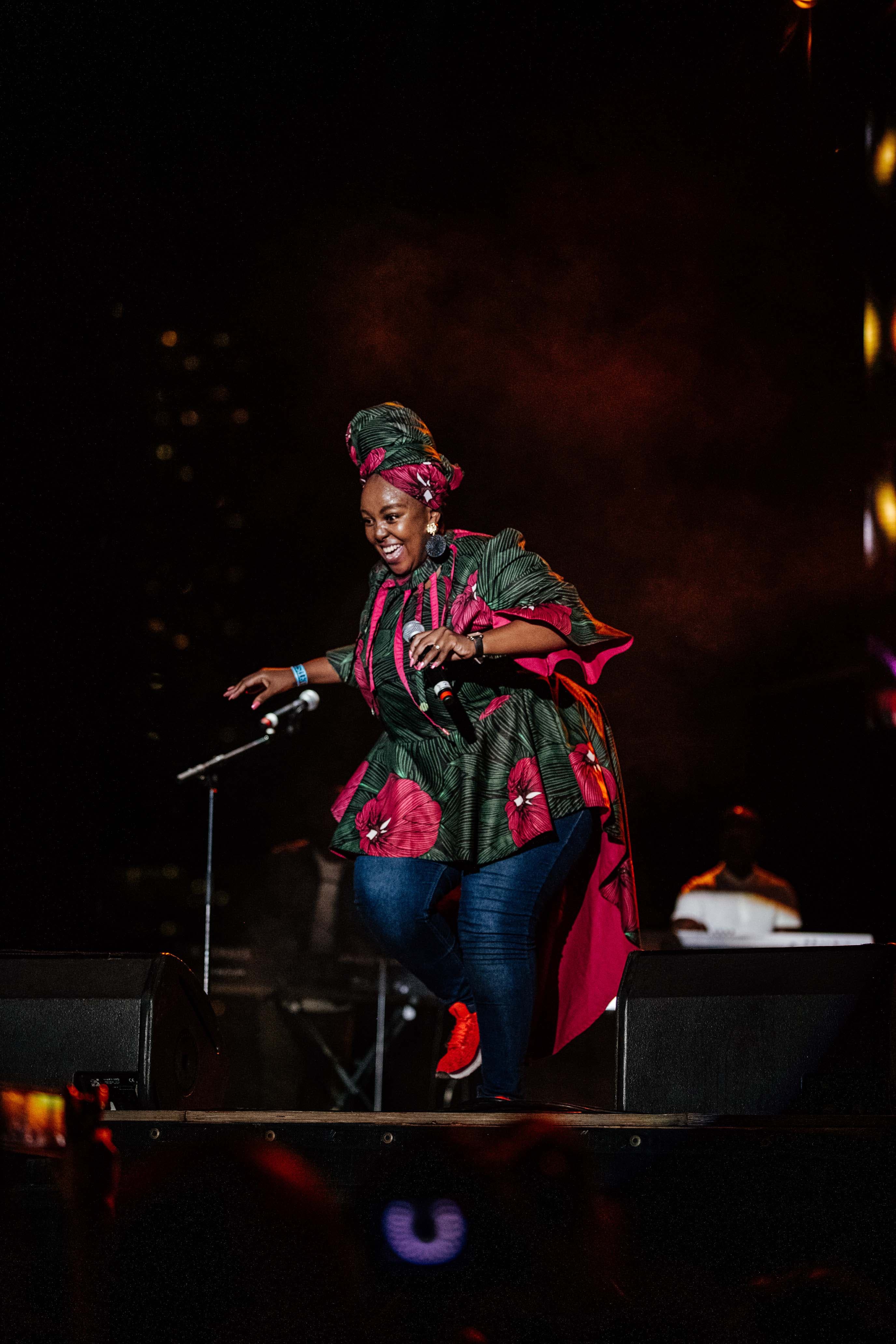
South Africa’s Kwani Experience follow up on their April 2020 release with a Bandcamp exclusive titled “Mahlalela”. The song is a stomping folk tune mined from the band’s extensive archive, and completed this year. It, in many ways, acts as the B-side to “Ransom”. We had the chance to ask emcee and (un)official spokesperson Kwelagobe Sekele a few questions in the lead-up to the release. We present the edited conversation below.
Who/what is Kwani Experience in 2020?
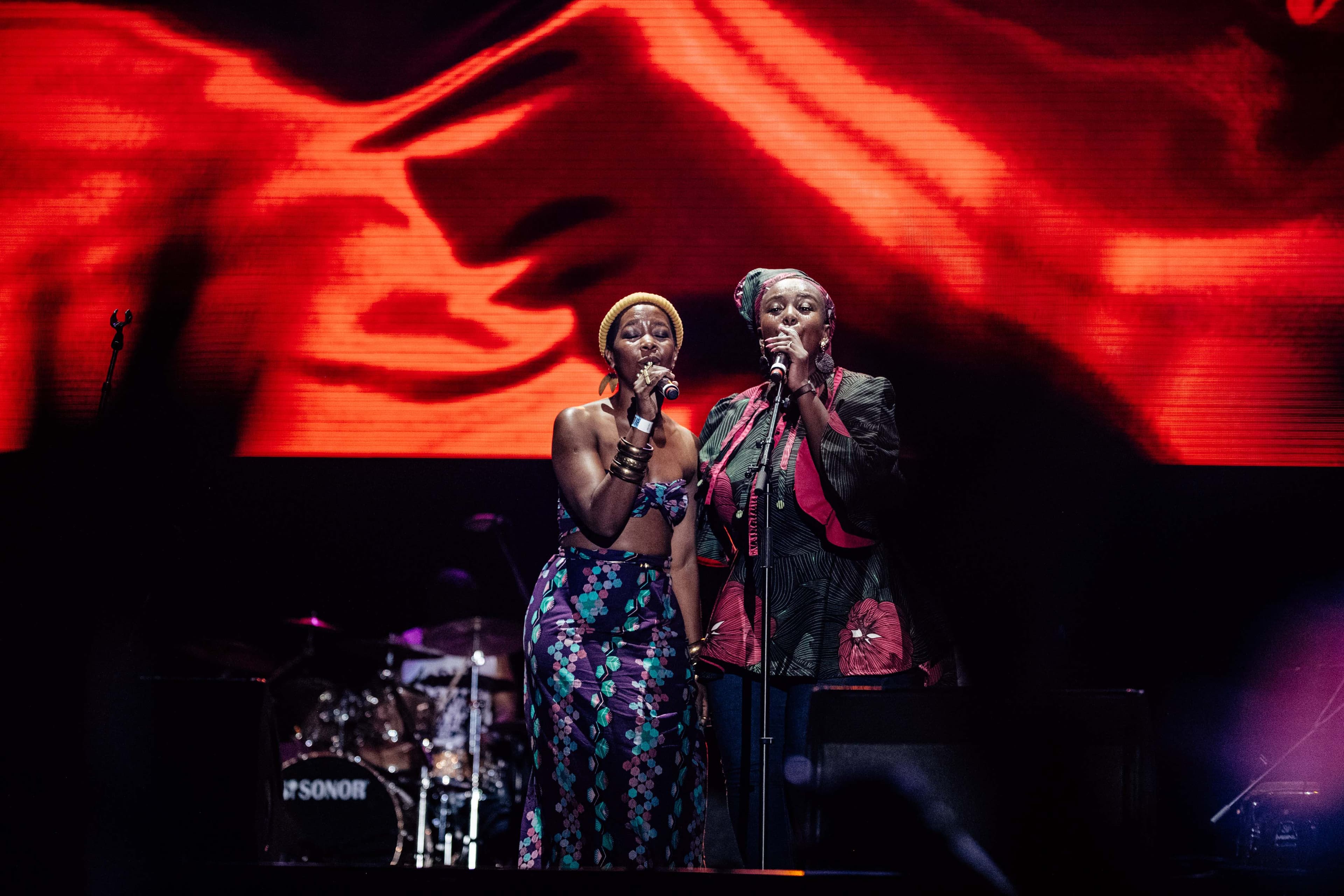
It’s a project that becomes a band when we get on stage. I wouldn’t say [that] we operate as a band, because that means doing band things. An example I would give is these friends of mine in Buenos Aires who are in a punk/noise band. Their spirit reminds me of those beginnings of when a band starts. You breathe and eat the band; you wake up, you’re sitting, you’re discussing ideas. It’s like a unit, a deployment-type vibe. It’s a mission, basically. When you have kids, the responsibilities are more urgent. We’re more like a family than a band now, a musical family. We’ve got members in Belgium, in Norway. It’s not that easy to get everyone under one roof and do the band.
What changed from the first time you recorded the song in 2009 ‘til now?
I think we live in a continent where it’s very tricky to sustain a band or a music career. The general public thinks that if you are not seen as being active, then you’re not active. It’s like you’re dead. I’ll speak in a South African context, and even make it personal: because I’ve worked so much in the background, people think I don’t make music anymore. The funny thing is all the back-end work I’ve been doing has been in music. That also shows how much of an industry we have. There are so many career options in music. So going back is really important because songs are like books. If you break down the meaning of what a ‘record’ means, it’s anything that’s been recorded. Books are not dead; they are not just for instant gratification. Going back is exactly like pulling out a book from the shelf, opening it, and recalling. Kwani Experience, the spirit, is way bigger than us. It’s important for us to see ourselves.
So let’s talk about the song, “Mahlalela”. I got a heavy Sankomota’s “Now or Never” vibe while listening to it. What’s the story?
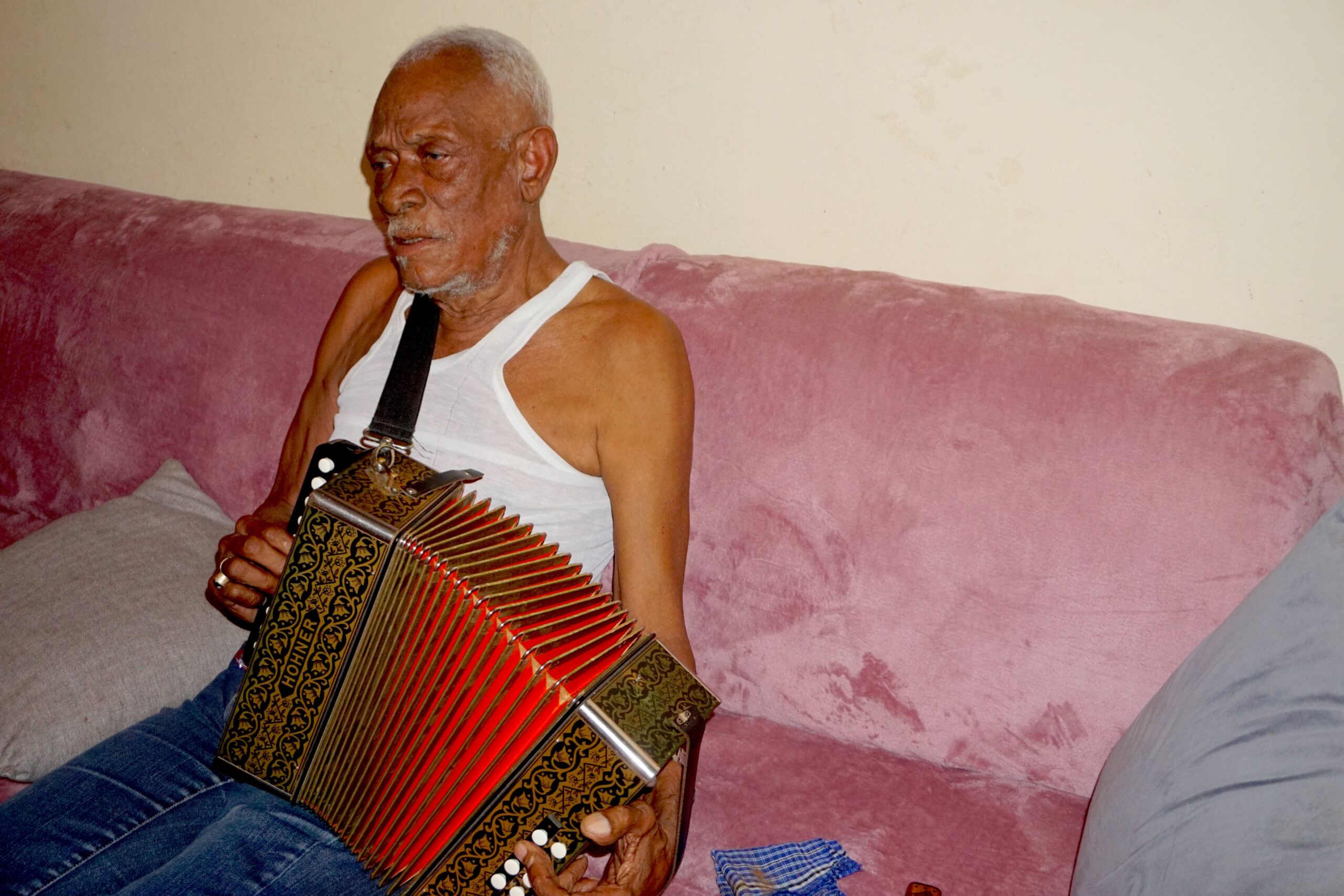
I agree, it’s got that spirit. It’s funny because Frank from the band looks up to Frank Leepa a lot. And I’ve tried to channel that Village Pope (Tsepo Tsola) vibe; I used to have this cane, and I was like “I’m the young Village Pope”. The song is a folk song that Nkoto re-introduced to the band. It’s a song that she grew up singing. It’s a very straightforward statement: “Mahlalela wena ha o bereke” (“Mahlalela, you don’t work, all you do is sit at home”). The context and the time we’re living in is different. That’s why if you check the artwork, on the side is a disclaimer [about] who the song is dedicated to, because it’s a simple (but) layered statement. We’ve all got different interpretations. For Nkoto, it was about people who don’t wanna do shit. My verse is more about inner work, because my mindframe was re-defining what work is. We grew up thinking that work is a job. Work is not only a job, it’s a lot of shit. I’m touching more on inner work, especially us as artists, how we do inner work that comes out as creative output.
Mahlalela is now available to stream/buy on Bandcamp.