Archives
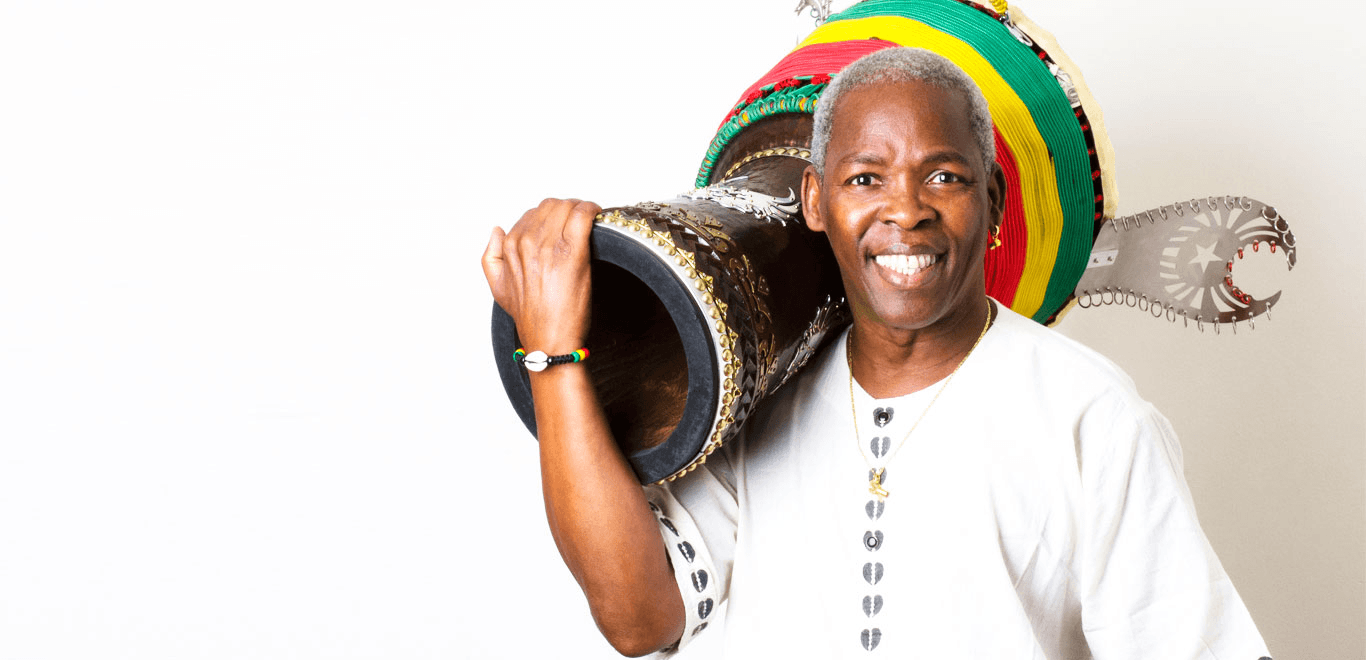
Master drummer and music educator Mamady Keïta who bore the knowledge of the djembe for a generation of musicians through Le Ballet National Djoliba, his music group Sewa Kan, and as the founder of the Tam Tam Mandingue academy, has passed away.
Master drummer and music educator Mamady Keïta has left this life. The seventy one year old’s passing was announced on the Facebook page of his djembe academy Tam Tam Mandingue on Monday the 21st of June (the longest day of the year in the Northern Hemisphere) to the profound sadness of his many students and fans around the world.
Known affectionately as “Nankama” (he who was born for that) Keïta’s generous legacy, already assured in his lifetime, is the preservation and dissemination of the West African djembe drum and it’s repertoire over a professional career of more than half a century. As a recording artist Keïta released some thirteen albums, whilst as a teacher he curated and published three books of notation alongside numerous instructional videos and possibly the first and only djembe study app.
Born in 1950 in the village of Balandugu, Guinea Conakry, the young Mamady showed an early talent for percussion. His precocious talent was no surprise to his mother who had been informed by a soothsayer that her last born son would achieve great things. Madame Keïta thus had a small djembe made for her son and when he reached seven arranged for him to apprentice with Karinkadjan Kondé a master drummer who would formally initiate him as a djembefola (one who plays the djembe). The holistic education Mamady received from Kondé was a full curriculum including village traditions and the history of the Mandingue people and would influence how Keïta would later transmit the instrument’s repertoire and lineage. One of Kondé’s earliest acts was to wash Mamady’s hands with a secret herbal treatment to protect them from the intensity of playing and true to the elder’s preparation Mamady would often explain to his students that his hands never became sore or stiff from playing.
In 1964, at the age of just fourteen Keïta was selected by Guinea’s Minister of Culture to form Le Ballet National Djoliba created as part of Seckou Touré’s revival of the performing arts and intended as a showcase for the newly independent Guinea. Appointed lead soloist in 1965 and then artistic director in 1979, Mamady would remain with the ballet until 1986 during which time he was cast in Africa Dance - a film by Harry Belafonte who was for a time a close friend of Sekou Touré.
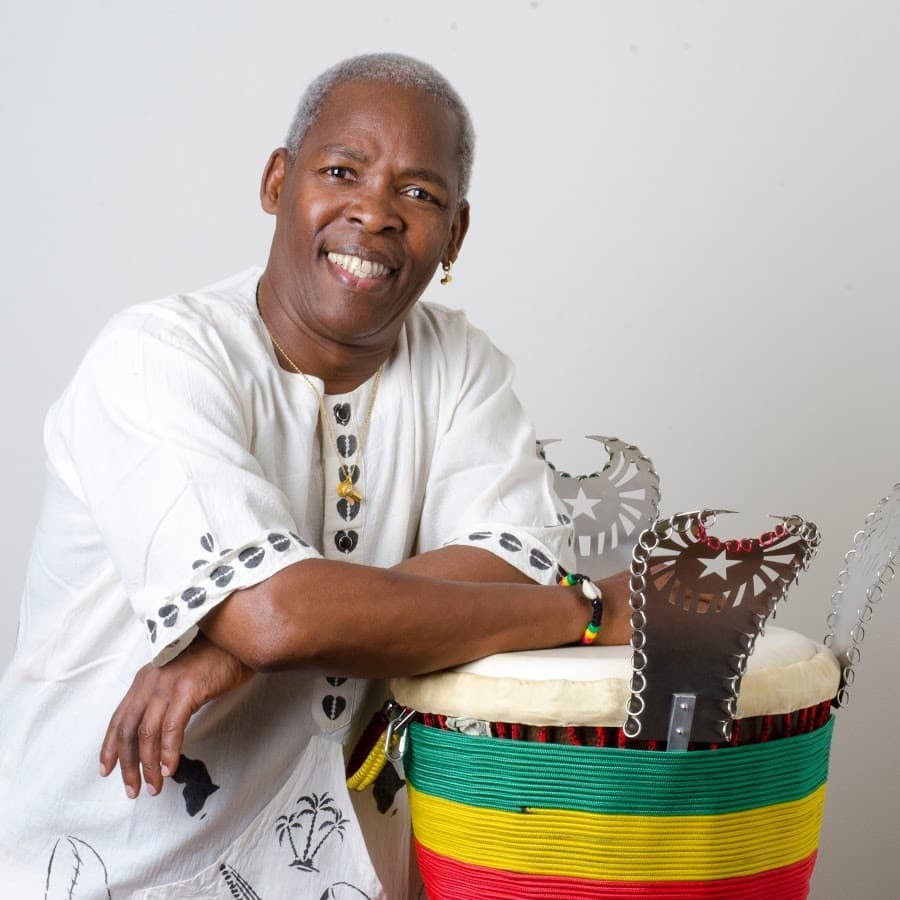
Forming his own group Sewa Kan in 1988, Mamady recorded his debut album Wassolon and would continue to lead lineups of Sewa Kan (from the Malinké for ‘joyful noise’) throughout his career as a performer and recording artist.
In 1991 he was the subject of the documentary Djembefola written and directed by Laurent Chevallier which followed his return to Balandugu after a long absence alongside unseen footage of rehearsals and performances. The one hour documentary has since become a must see for anyone called by the djembe.
To this purpose in 1992 Keïta opened his school Tam Tam Mandingue Djembe Academy in Brussels to teach the culture of the djembe to visiting students.
Known for his warmth and patience as a teacher, Mamady created the first formal qualifications for Manding music, awarding the Tam Tam Mandingue Certificate and the Tam Tam Mandingue Diploma of Proficiency. Diploma students were personally tested by Mamady not only on the repertoire of the djembe and dundun (the set of three bass drums that accompany djembe arrangements) but also for their knowledge of Malinké culture.
Keïta lived most recently in Mexico and continued to teach and perform internationally, adapting his pedagogy to Zoom during the pandemic.
He passed on peacefully in Belgium with his family at his side from a heart condition with which he had battled for a number of years. His music and indomitable spirit shall live on.
Mamady Keïta, Djembefola (August 1950 – 21 June 2021)