Archives
“São Vicente is a little Brazil / Full of joy and colours / During these three wild days / There are no brawls, it is the carnival / A conviviality [morabeza], to be found nowhere else.”
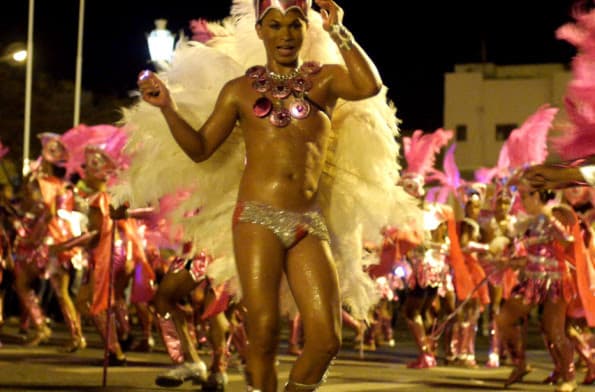
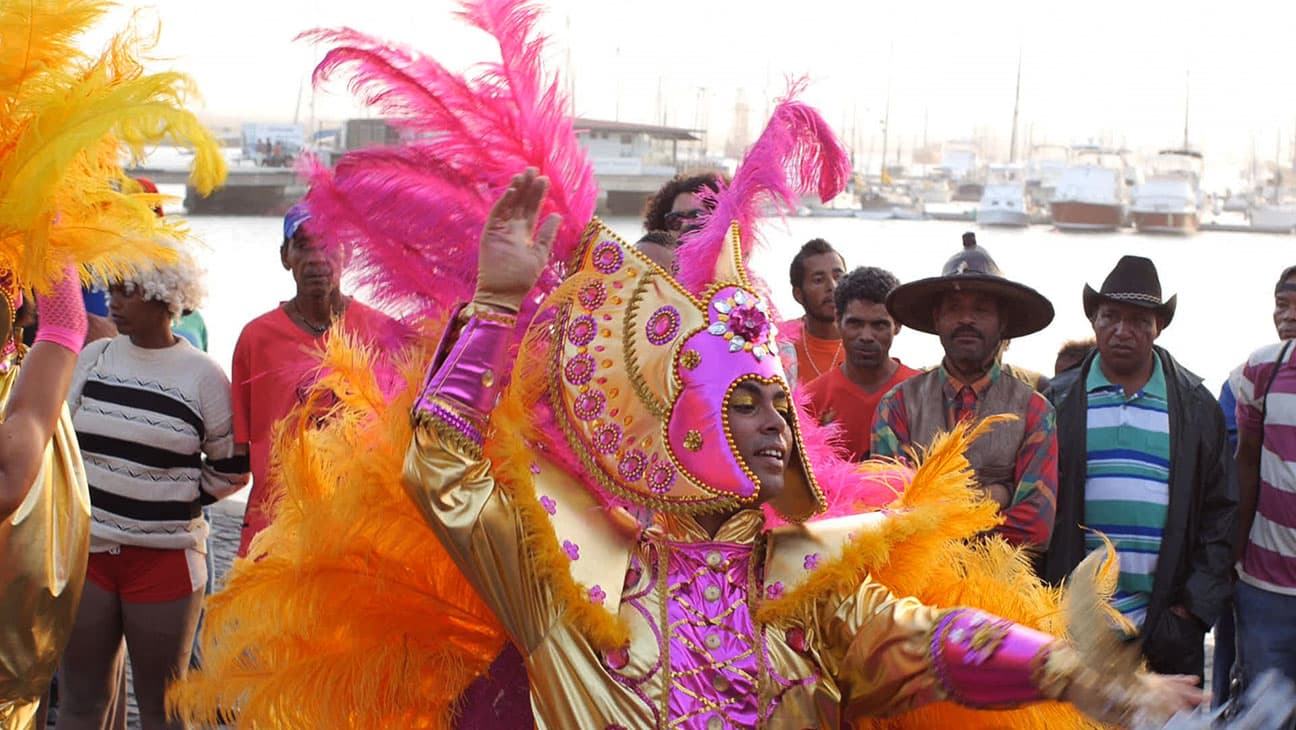
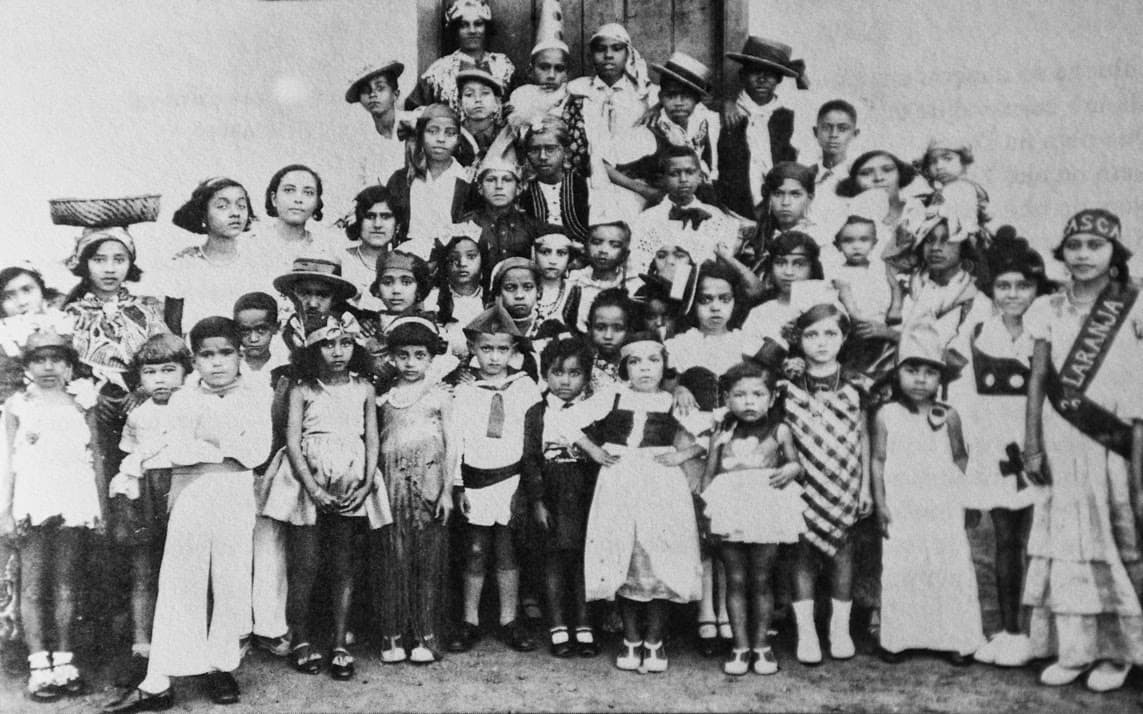
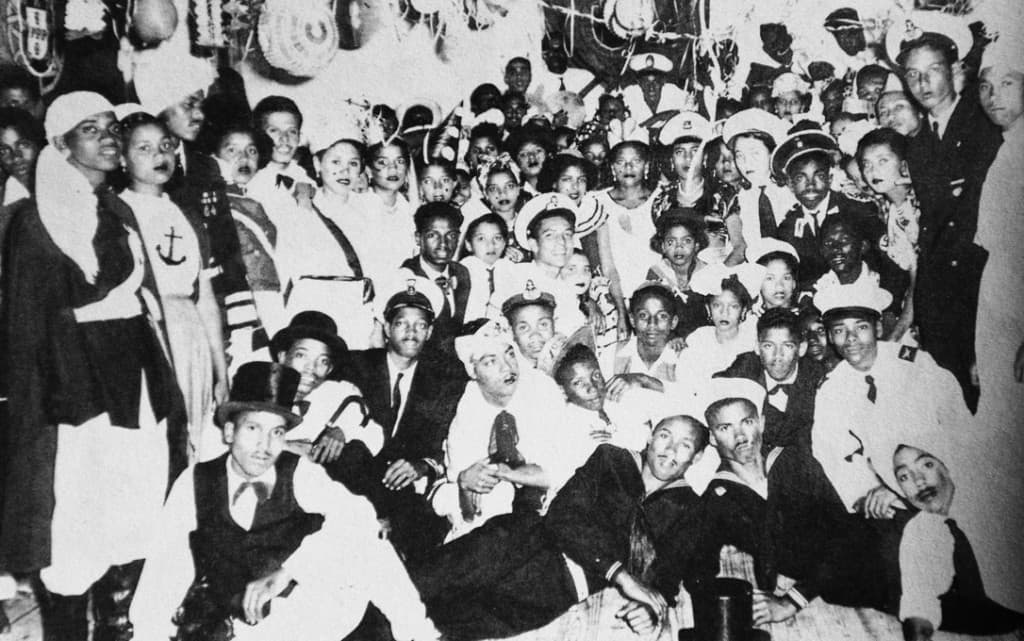
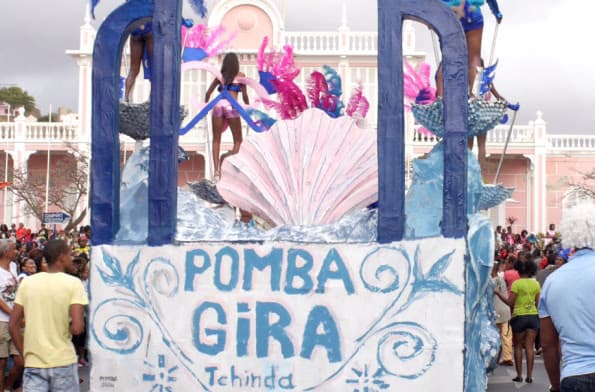
Three days of fancy dresses and costumes, huge allegorical floats, groups of percussionists, schools of samba, choirs, queers, and even a group of half-naked people painted in black, imitating the West African ethnic group, the mandingas. “Three wild days”, as Cesária Évora sang in Carnaval de São Vicente” in 1999, a tribute song to this great popular party.
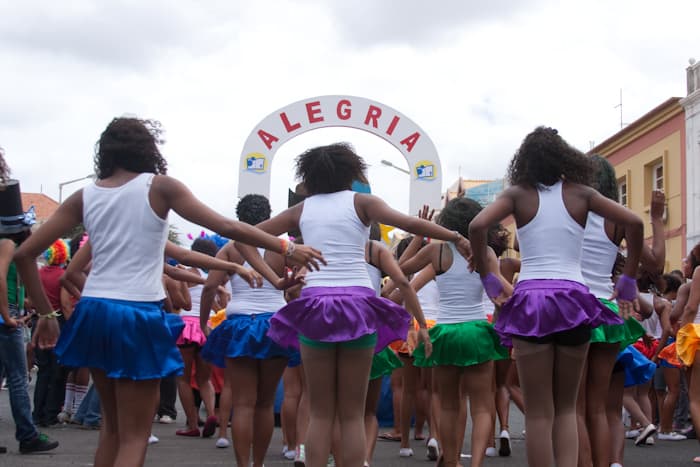
The Carnival of São Vicente is the opportunity for every inhabitant of the island, regardless of their social classes, to act with eccentricity and creativity, just like during Rio de Janeiro’s huge festivities in Brazil. The 2017 edition of the Cape-Verdian carnival started Sunday 26th of February and closed yesterday, with the parade of the groups.
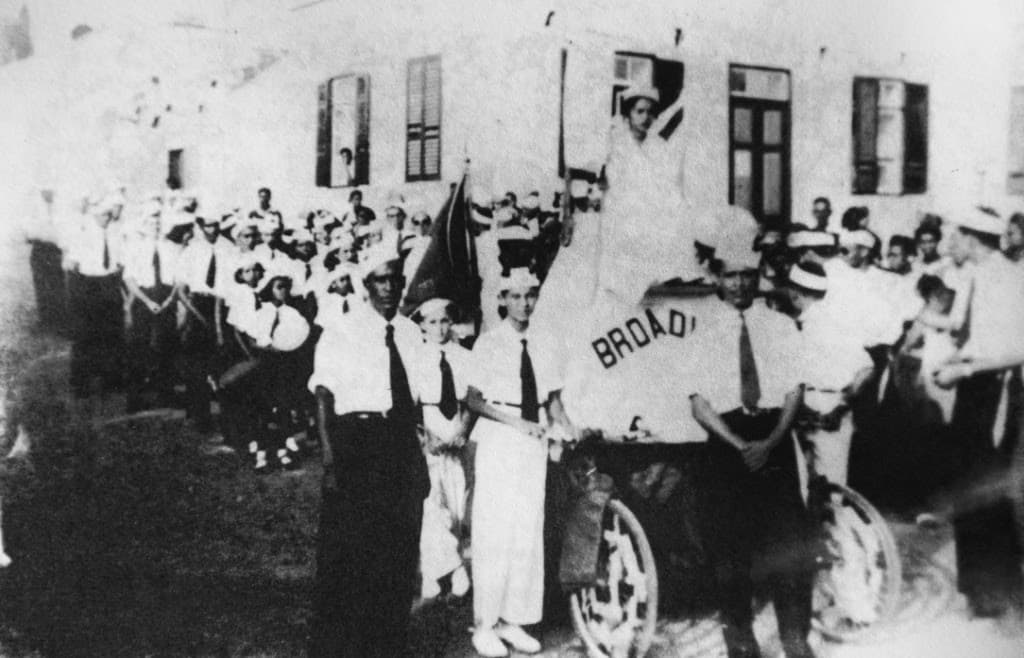
If the island of the Cape-Verdean singer is “a little Brazil”, the carnival that is held in Mindelo every year is not a little one, hence the name given by its participants : “little Rio”. The inhabitants of the island organize huge parades inspired by Rio’s marchinhas, that already were coming from the Portuguese popular marches of the end of the 19th century. This is when the suburbs of Mindelo went nuts for these celebrations, and invented an almost unique event in Africa, and the the continent’s most renowned and visited.
These “three wild days” are open to everyone, as the song suggests, and this may very well be the core feature of Mindelo’s carnival, through a very unique and specific tradition : the mandingas. Since the 1940s, the inhabitants of Mindelo’s poor suburbs have gotten into the habit of painting their bodies and faces black and parading bare-chested, wearing only a feather-made pagne, necklaces and bracelets. This outfit is meant to imitate, or even caricature the Mandinka people, a large West African ethnic group.
They roam the streets, armed with lances and threaten the inhabitants - especially the younger ones - with their frightening expression, their eyes outlined by white paint lines. Sometimes it’s a way to collect money. By personifying the Mandinka people - a community who gained their autonomy against the big empires as early as the 13th century and who has always been fighting colonialist corruption and chaos - the mandingas of Mindelo reenacted the rebellion against the Portuguese colonist until 1975.
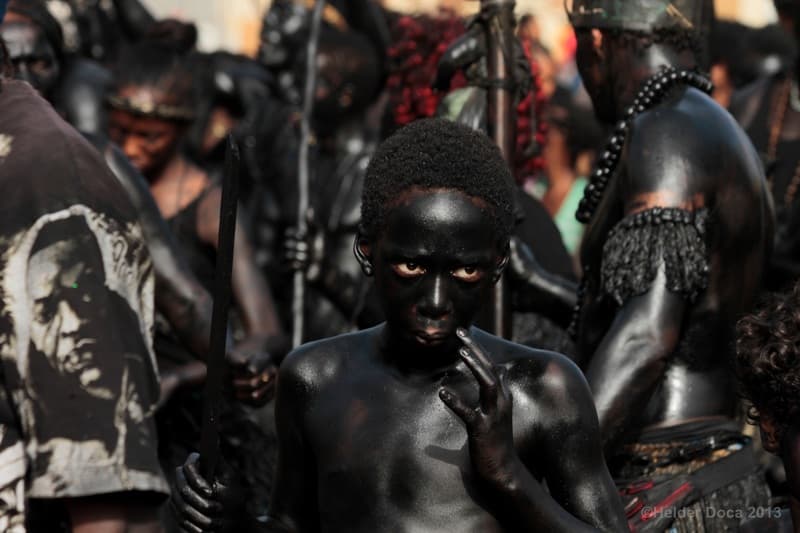
Today, this parade would embody the criticism of the socio-economic problems most of the island’s population has to deal with everyday. Indeed, according to a few academic investigations - there is no consensus about it yet, and very little work to be found - this habit of taking the Sub-Saharan African aesthetics to the extreme and showing a belonging to this conquering and autonomous ethnic group, would be a way for the inhabitants of Mindelo’s poor neighbourhoods to get back at the social stigmatization they are often the target. The carnival permissiveness allows them to manipulate cultural features that often have a pejorative overtone in a society that likes to consider itself the result of centuries of interbreeding between White Portuguese and Black West African populations.
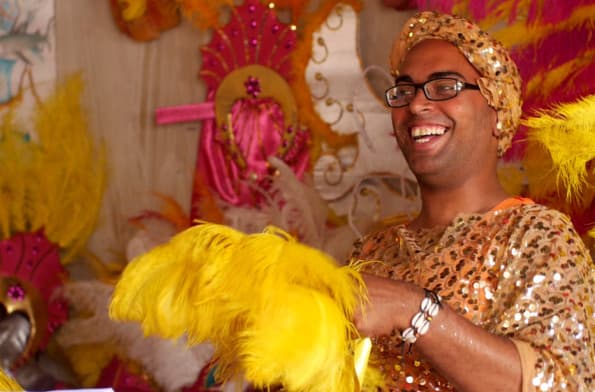
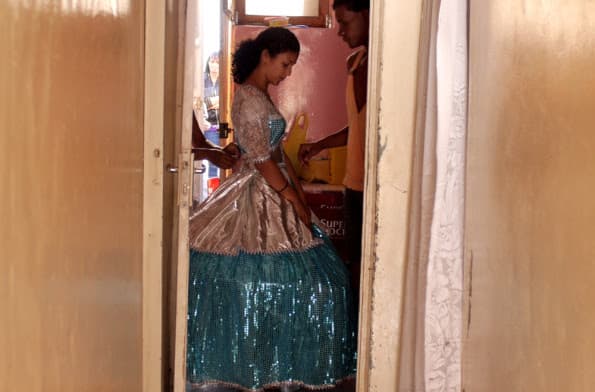
The other specificity of São Vicente’s Carnival is the presence of the queer community - designated by the term “tchindas” in creole language. This peaceful integration of the queer and transsexual people is a unique feature in Africa, according to the directors of the recent documentary film entitled Tchindas (Cape Verde, 2015). The 94-minute movie tells the daily life of Tchinda, the most renowned queer figure of the island during the preparation of the carnival.
Composed in 1999 for Cesária Évora by the Cape-Verdean musician Pedro Rodrigues - also author of the beautiful “Nha Cancera Ka Tem Medida” sung by the late diva - this ode to the Carnival of São Vicente that takes place every year in Cape Verde is a samba, as a tribute to the music that is played during the Rio de Janeiro’s festivities. The song was performed by excellent musicians from Brazil (a choro ensemble), Cuba (on the horn section) and Cape Verde. The band featured the master of arrangement and orchestration Jaques Morelenbaum (Rio de Janeiro), double-bass player Andrés Escalona Graña (La Havane), bandmate of the late Ibrahim Ferrer, and Silviano Michelo (São Paulo) on the essential pandeiro - this small tambourine that give the tempo of the samba. This multiethnic cast of musicians says a lot about the nodal role of Cape Verde in the history of afro music, as a hybrid and syncretic crossing point between Africa, Europe, the Carribean and Brazil.
This is why this samba is not a mere imitation of the overseas genre, but a true Cape Verdean take on this music, with characteristics that easily recall the sound Cesária Évora helped popularized, such as the use of minor chords that highlight the joyful melancholy of the carnival.
The album Café Atlantico that features “Carnaval de São Vicente” has sold over 700 000 copies around the world since its release in 1999, was nominated for the Grammy Awards (USA), and Cesária Évora was rewarded a Victoire de la Musique (France) the same year. The singer and her band immediately embarked on their first great Latin American tour (Cuba, Mexico, Brazil, Argentina, Chile), a land renowned for its carnivals. And like in São Vicente, these popular events are inspired by the African, christian and indigenous populations’ cultures, with the following strong idea at the core: the inclusion of all the communities in a colourful celebration, perfectly embodied by the typical conviviality of the Cape Verdean society. Its population even has a term to name this spirit in creole: the morabeza.
“We have a little party so peacefulDo not hesitate, you are welcome to enterThere is food and drink for everyoneToday is the carnival”
Cape Verdean creole original lyrics
“J’a’m conchia São VicenteNa sê ligria na sê saburaMa ‘m ca pud fazê ideiaS’na carnaval era mas sab
São Vicente é um brasilinChei di ligria chei di corNess três dia di loucuraCa ten guerra ê carnavalNess morabeza sen igual
Nô ten un fistinha mas sossegodCa bô exitá bô podê entráCoque e bafa ca ta faltáHôje é dia di carnaval”
English lyrics
“I know São VicenteIts cheerfulness and its flavourBut I didn’t knowThat during the carnival, it was even better
São Vicente is a little BrazilFull of joy and coloursDuring these three wild daysThere are no brawls, it is the carnivalA jubilation, to be found nowhere else
We have a little party so peacefulDo not hesitate, you are welcome to enterThere is food and drink for everyoneToday is the carnival”
Read next: Karol Conka, Curitiba’s free spirit