Archives
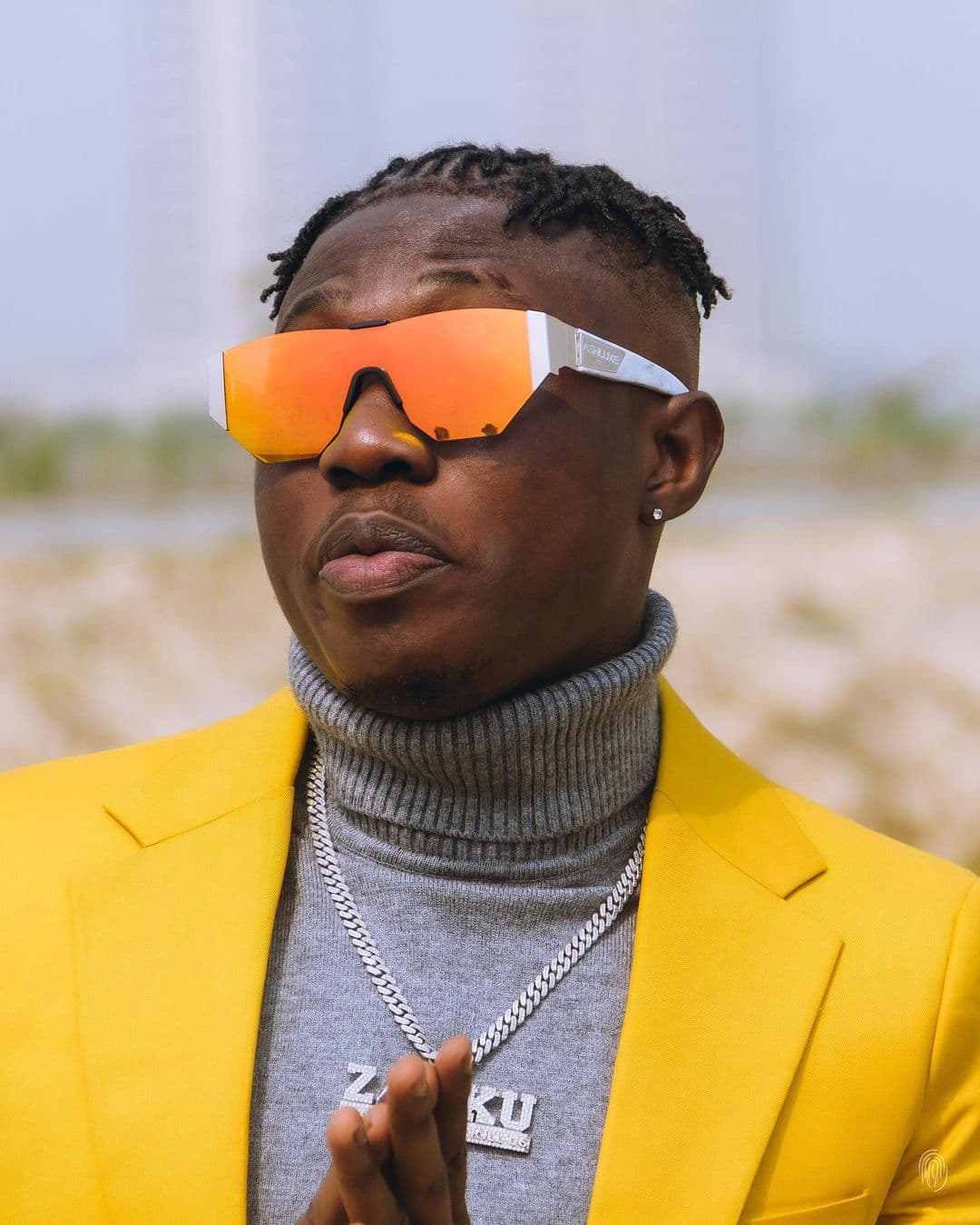
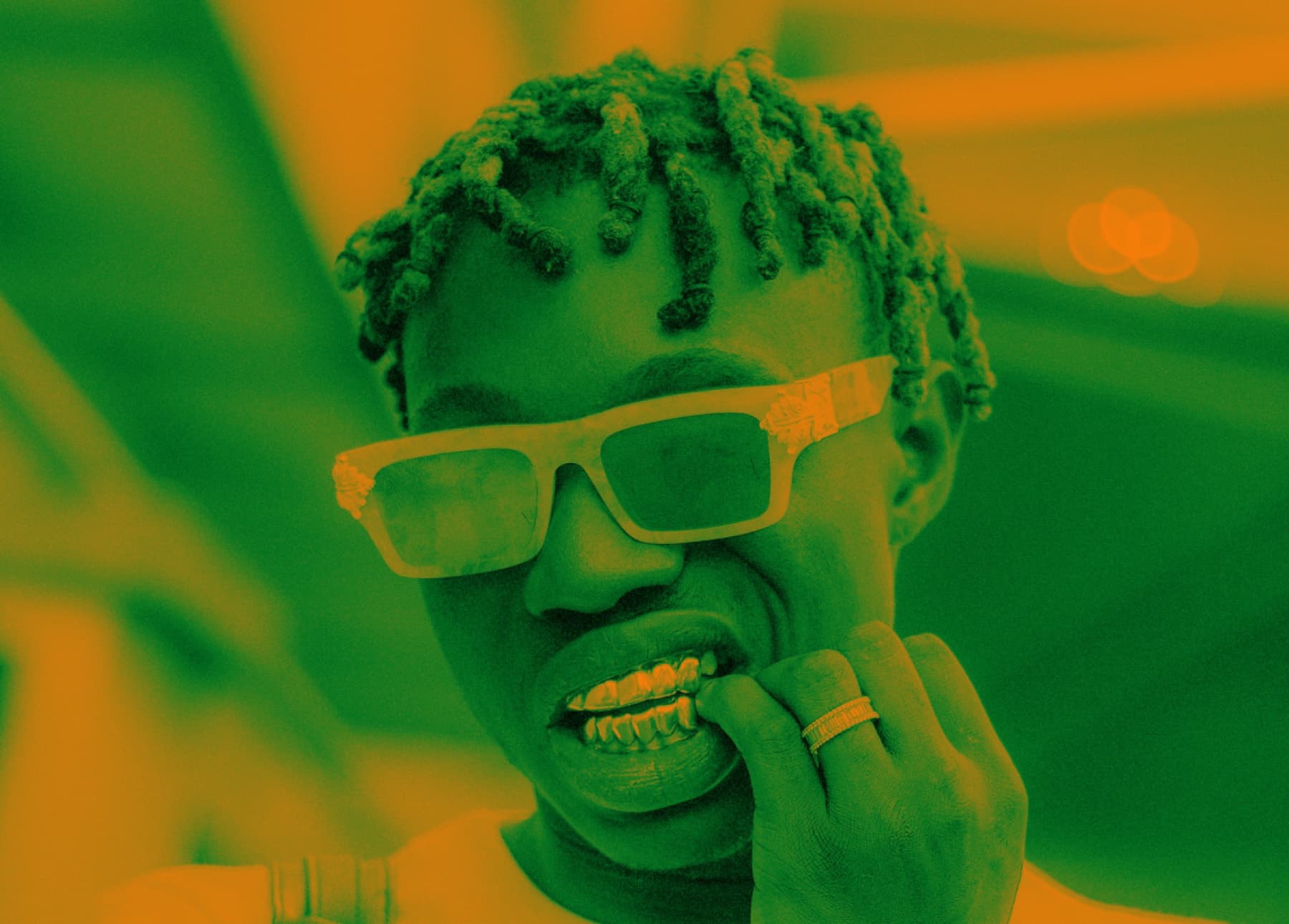
A Lagos native, Zlatan came up with nothing and now seems to have everything. Zlatan recounts his come-up from street boy to Burna Boy collaborator in our exclusive interview.
Zlatan is not an easy artist to place. He lies somewhere between Olamide and Phyno – a street rap champion whose pop music chops have ensured his continued relevance to the Afrobeats conversation over the past three years. This past December, the rapper found a slot in his schedule to have a chat about how he broke out, what the street rap label carries, and more. What follows is an edited down version of our conversation.
What is a street rapper?
In Nigeria, what people refer to as “street” are the underdogs, people that are actually struggling. The less privileged people, people that come from nothing to something. You have talent, but it’s hard because you’re a street boy. Why I’m referred to as a street rapper is because I used to be a street boy that had nothing, that had little opportunity. I just had talent. I had to hustle my way to the top in order to have money to go to the studio. Most of the time, when I’m singing, I connect back to those people. I’m from there, so I say things that people from there can connect to. I share my stories so that people can also strive hard and get motivated.
Did these same streets give you a personality?
Yeah. I knew from my time that as a street boy, if you don’t fight for yourself, no one is gonna fight for you. My personality is different. Right now, I’m trying to re-brand, so it doesn’t look like a street rapper can’t cross over.
Zlatan - Lagos Anthem (Official Video)
When was your big break?
I was supposed to be a footballer, not a musician. It was hard for me to achieve that dream because my dad didn’t have money to send me to an academy, or fly me out of Nigeria to achieve my dream. I won a competition in school. I’d only recorded one or two songs at that point. I was selected as the winner out of 140 people. I won a brand new car, and that made me realize that this can become a career. Two years passed, and Olamide called me up after he heard my song online. He produced my first hit. I’ve since done songs with Davido, Burna Boy; it’s just been back-to-back for like, three years now. Now I have artists under my own label who are doing well.
Do your responsibilities as an artist clash with your responsibilities as a label head?
Every step I’ve taken in my life, there’s been people helping me from one stage to another. People have offered to contribute to things that I do. The people signed to my label are more like my brothers. We’ve been together for four years in the studio. Even if I didn’t sign them, I’d still be indirectly catering for them. I have an artist (Jamo Pyper) that had one of the biggest songs in Nigeria. He’s doing well, getting bookings, travelling from Dubai to different countries. I’m glad that I’m able to impact their livelihoods. Maybe when they’re good, I might decide not to sign any other people.
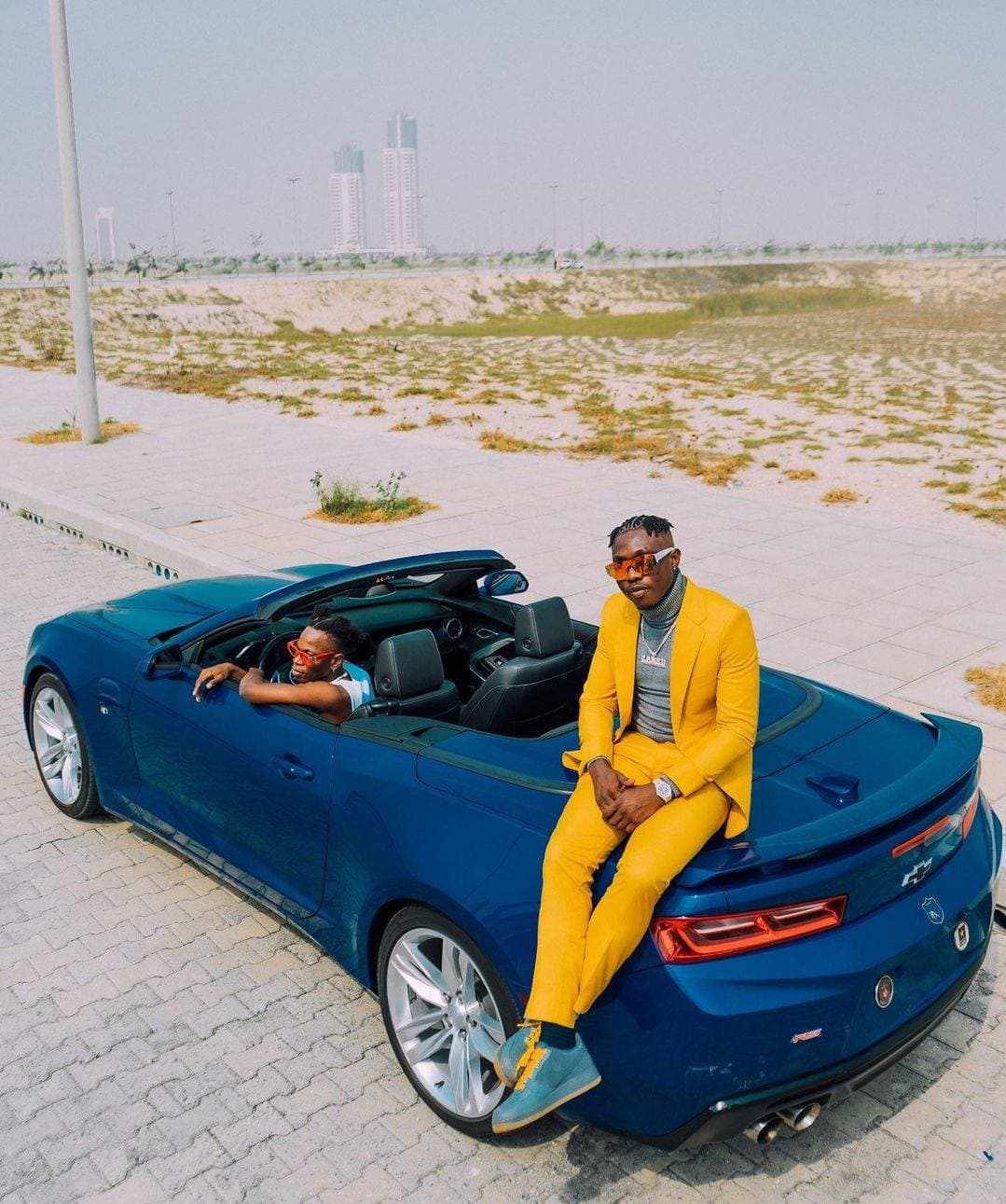
You recently got to make music with the rap god that is Sarkodie. How did that collaboration come about?
He worked with my producer and just told him that he would love to have me on the song. I recorded the song, and then flew to Ghana to go and film the video. It was really great to work with someone that I used to watch when I was in primary school, even before I started music. I know that this is just the beginning. It makes me feel that there are better things coming ahead.
Dance is central to your music. What’s the story behind Zanku?
I’ve been dancing since I was young. I went to night vigils to dance, and I always infuse my records so that there’ll be a challenge to it. All these dances had been coming out of Nigeria, from Shaku Shaku to Skelewu. But since coming out with Zanku, I don’t think there’s been any other dance move. I’ve just been updating it for them.