Kasimyn talks us through the Indonesian noise phenomenon while at Utrecht’s Le Guess Who? Festival, running through the wildly diverse island nation’s political turmoil, the metallic keys of the gamelan, and his project Bunyi Bunyi Tumbal via his moniker Hulubalang that uses hardcore music to confront interrupted rituals and anonymous sacrifice.
LISTEN TO AN EXCLUSIVE PREVIEW OF “Gandrung Liyane” from KASIMYN’S upcoming ALBUM ELINK...
PHOTOS & VIDEOS BY Putu eka permataIN PARTNERSHIP WITH LE GUESS WHO? FESTIVAL
Something loud this way comes… Anyone who has spent time in Indonesia’s Ring of Fire can attest to the noise. The traffic jammed streets of Jakarta, pounding waves off the coast of Denpasar, or the Japanese Towa speakers – originally designed for tsunami warnings – attached to mosques for the call to prayer… Indonesia can leave your ears ringing.
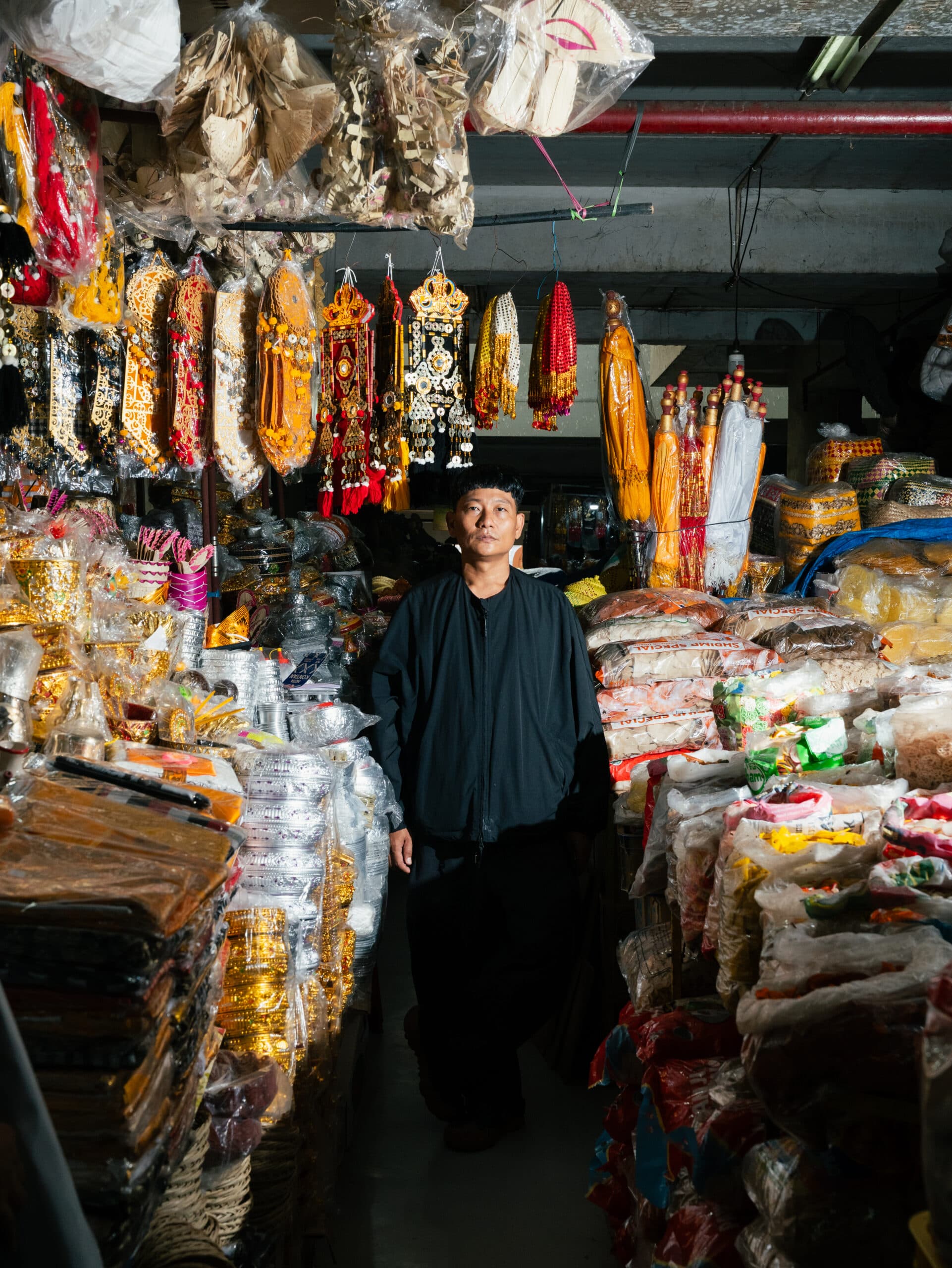
“It’s really about the loudness,” Kasimyn explains while we’re sat down in a busy café in Utrecht. He’s here to perform as Hulubalang for Le Guess Who?, a perfectly eclectic and prestigious festival for an artist of his tint and calibre. Kasimyn, real name Aditya Surya Taruna, is an Indonesia producer that’s been dropping experimental payloads over the electronic landscape for years now; breaking down the doors to CTM festival in 2019, delivering outrageous Boiler Room performances at Nyege Nyege with the duo Gabber Modus Operandi, and getting picked up for some co-production by the likes of Björk on her 2022 album, Fossora… He’s sitting at a table of East Asian artistic heavyweights including 33EMYBW, Li Jianhong and DIEMAJIN, curated by Tianzhuo Che of Asian Dope Boys. One might feel intimidated, but Kasimyn is an engaging thinker, slipping into volcanic esoterica before the carrot cake hits the table.
“ The loudest recording in human history actually happened in Indonesia,” he says with a sincere squint. “It’s the Krakatoa explosion in 1883. It was recorded in Singapore, which is like 200 kilometres away from the source. There’s a lot of speculation that the explosion changed the whole hearing system, people’s idea of ‘perceived loudness’.”
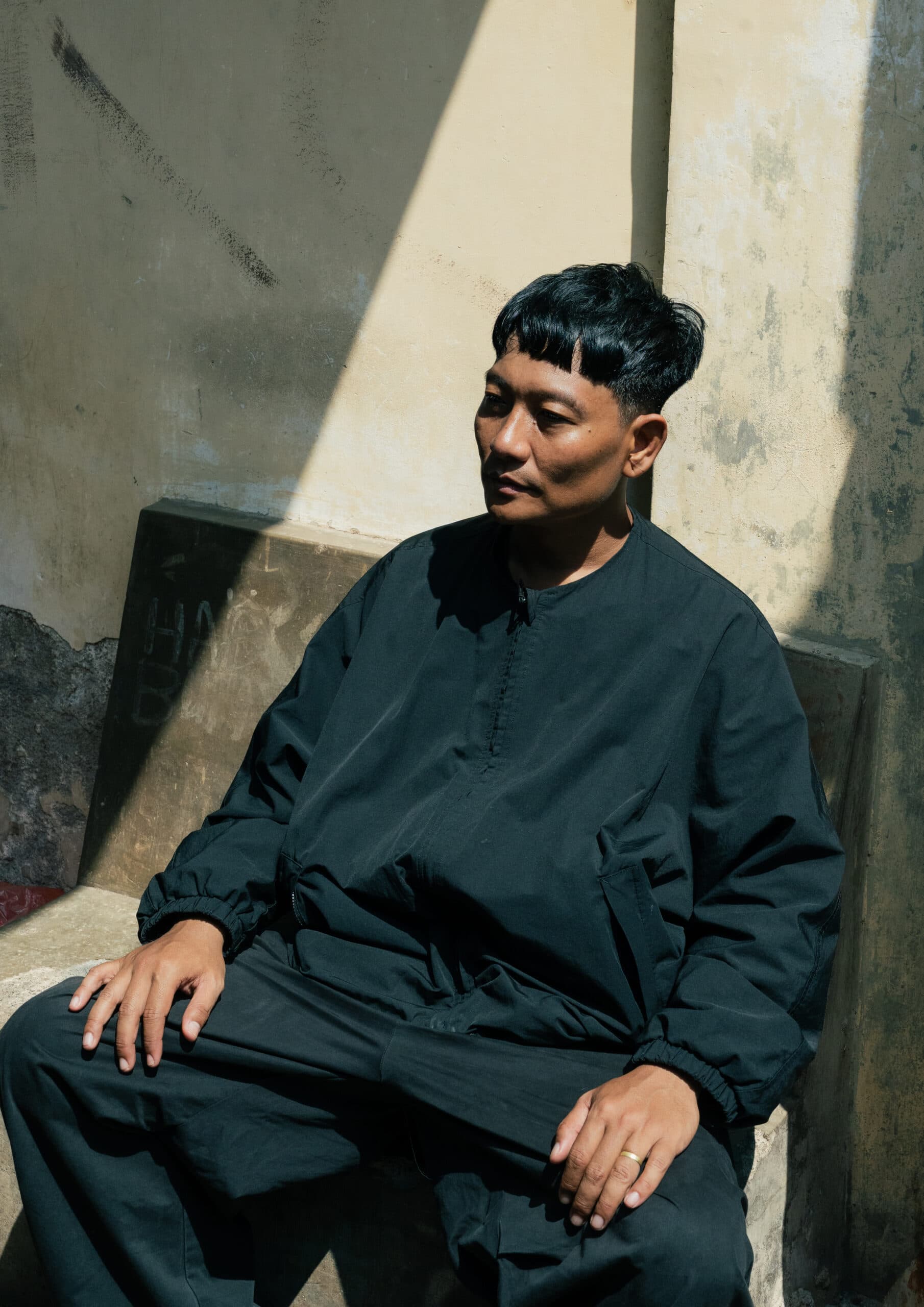
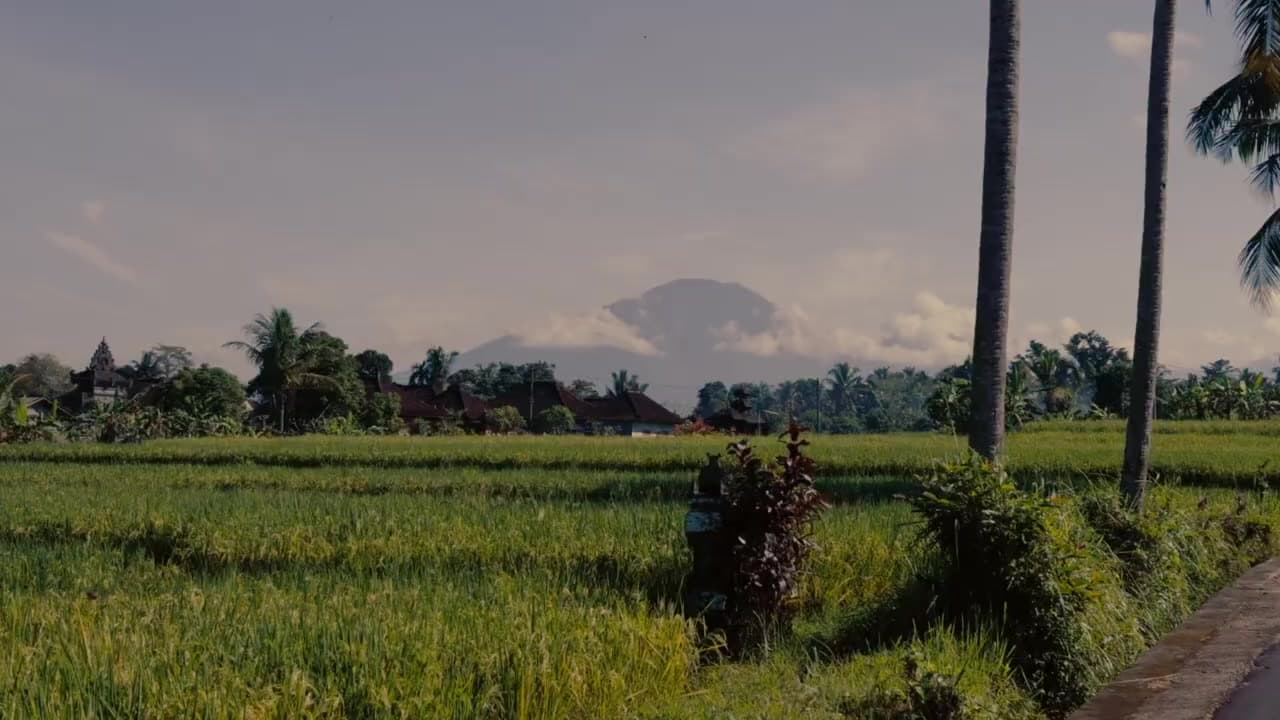
Kasimyn, born in 1982 Jakarta, grew up in a Dumai, Riau Sumatra to a Javanese-Chinese diaspora family before becoming one of millions of Indonesian millennials to move to the humblingly large capital, which just surpassed 42 million inhabitants, making it the largest urban megapolis in the world. But Jakarta is just one improbable feature of a nation spread across thirteen thousand islands. From the Muslim Malays at Sumatra’s tip to the Melanesian people of Papua, the extreme distances span four timezones, include nearly 1 in every 30 humans on Earth, are full of surprises, and yes, noise.
“ I mean, Indonesia has like 700 indigenous languages, let alone all the local religions… I think roughly 150 to 200…” Kasimyn explains. It’s a stupendous mishmash, synthesised – in its own way – by those freshly minted urban millennials under the banner of “alay”, an abbreviation of “anak layangan” or “kids who fly kites”. Originally a slur aimed at village kids who came to the city and got the fashion wrong, by around 2010 it had been reappropriated by the young people it sought to insult. A kite-and-string mascot for the tropical Tower of Babel.
But Kasimyn, as he often does, takes it even further, coining “post-alay” in a collaborative research project with anthropologists Sanne Krogh Groth and Nils Bubandt. His former GMO partner Ican puts it thus: “Post-alay sits between the sacred and the banal, the everyday and the possibility of something else that might come out of the encounter between home and the away.”
No Eat Pray Love hullabaloo. “Fucking scare them,” Kasimyn says with emphasis.
Troublesome diversity: the Indo-hardcore explosion
“There was a hard reset that happened in ’98,” Kasimyn continues, “in Jakarta, we had a huge riot that tore down the government. We’d had a dictator for 30, 32 years, huh? Suharto fell and it turned into chaos, into racial riots… Then suddenly, in early 2000, my first year in uni, there was a huge explosion of the indie scene.”
In those days Kasimyn was wearing skinny jeans and playing in punk and post-punk bands at whatever bars around Jakarta would make space. And he wasn’t alone, Indonesia crested with a wave of alternative music from Java, Sumatra, and elsewhere… The largest noise festival in East Asia, Jogja Noise Bombing, is in Yogyakarta and has launched the careers of Indo noise groups like Seek Six Sick and Sound of Human Pollution; an extreme scene that had been growing in the shadow of the mosque and – more or less – beneath the radar of the political hegemony for decades.
“The earliest local black metal record that I know released in like ’92. It came out of nowhere in the middle of Java. And then the funny thing is – this guy was actually a shaman. I think extreme music is kind of the gateway for these things.” The pagan (often occult) iconography of genres like black metal are ripe for a shamanistic “alay” – through approved channels. Western cultural products being one of them. The rites, sacrifices, and rituals of Indonesia’s outer limits… not so much.
Suharto, the 32 year dictator, often paid lip service to the national motto “Unity in Diversity” but made it abundantly clear he preferred “tidy unity over the troublesome diversity”. Under his regime, hundreds of folk religions were excluded from the country’s officially approved faiths. The same transmigration program that sent Kasimyn’s own parents to Sumatra shipped hundreds of thousands of Javanese into the archipelago’s outer reaches to homogenise culture and ethnic identity, a project whose success remains, as Elizabeth Pisani in Indonesia Ect. dryly notes, debatable. All this left a little crack in the culture for ‘extreme’ forms of alay.
“Somehow [in Indonesia] there is this weird connection to extreme music,” Kasimyn says. “Like, ‘I’m going to the mosque for sure, but then I’m going home to listen to metal.’ Just to balance it out.”
He pauses. Thinks. “But the traditional music is actually extreme already.”

Enter GMO, the gamelan, and generative noise
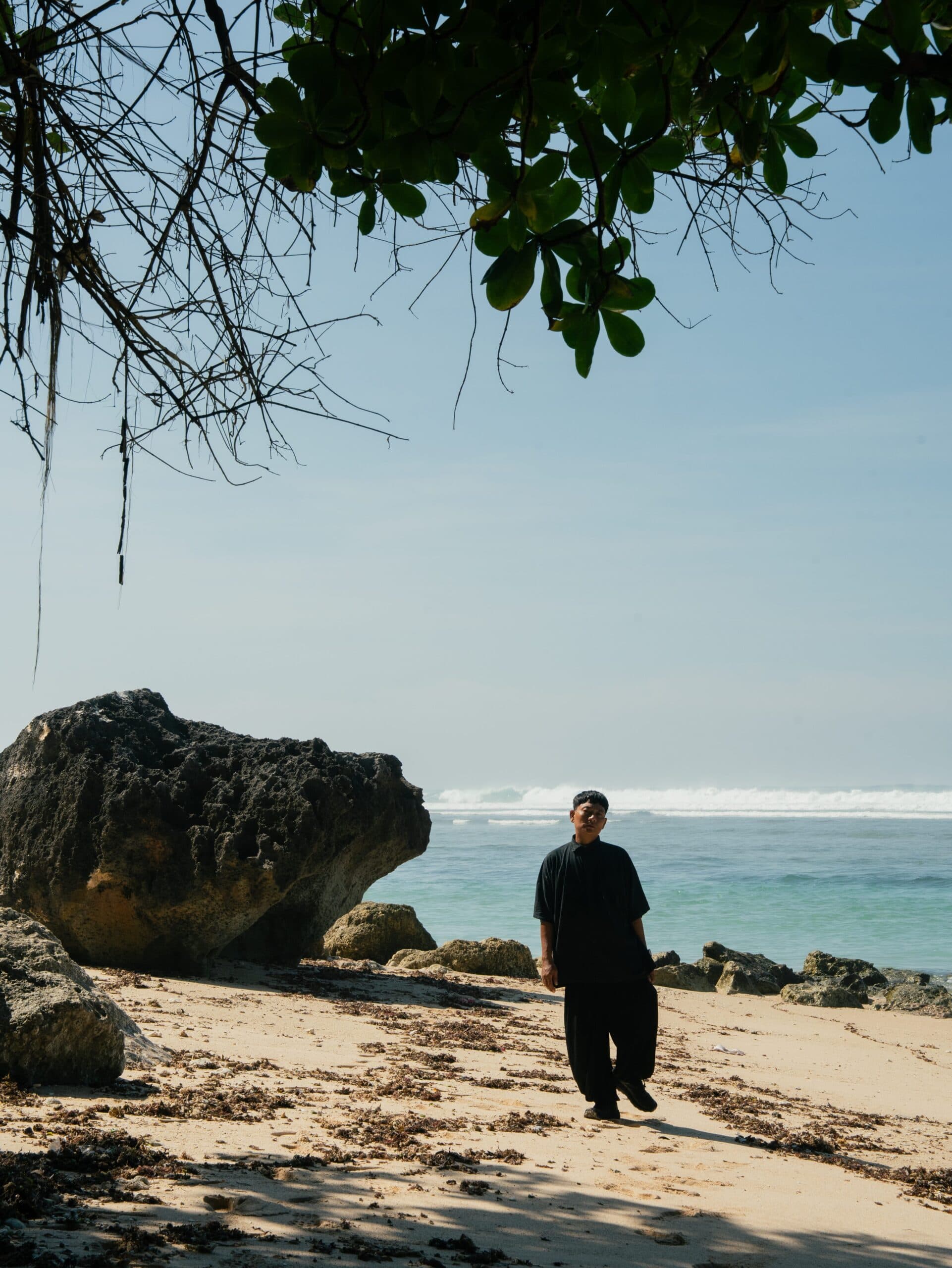
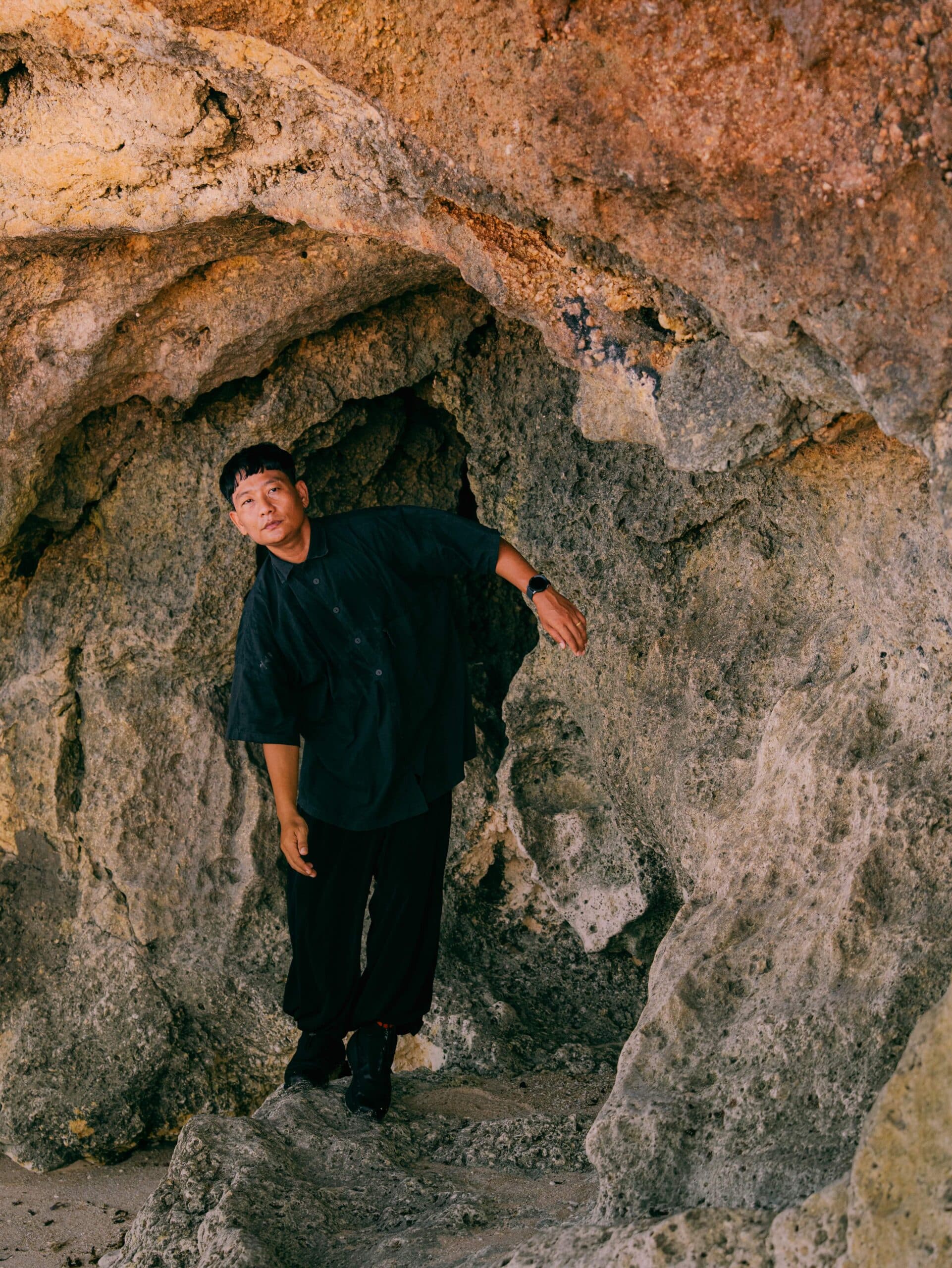
In 2006 Kasimyn moved to Bali, ostensibly to pursue a career in graphic design under the sabbatical project of design maestro Stephan Sagmeister who worked with everyone from Talking Heads to Lou Reed, but would walk headlong into those extremes of Indonesian “traditional” music.
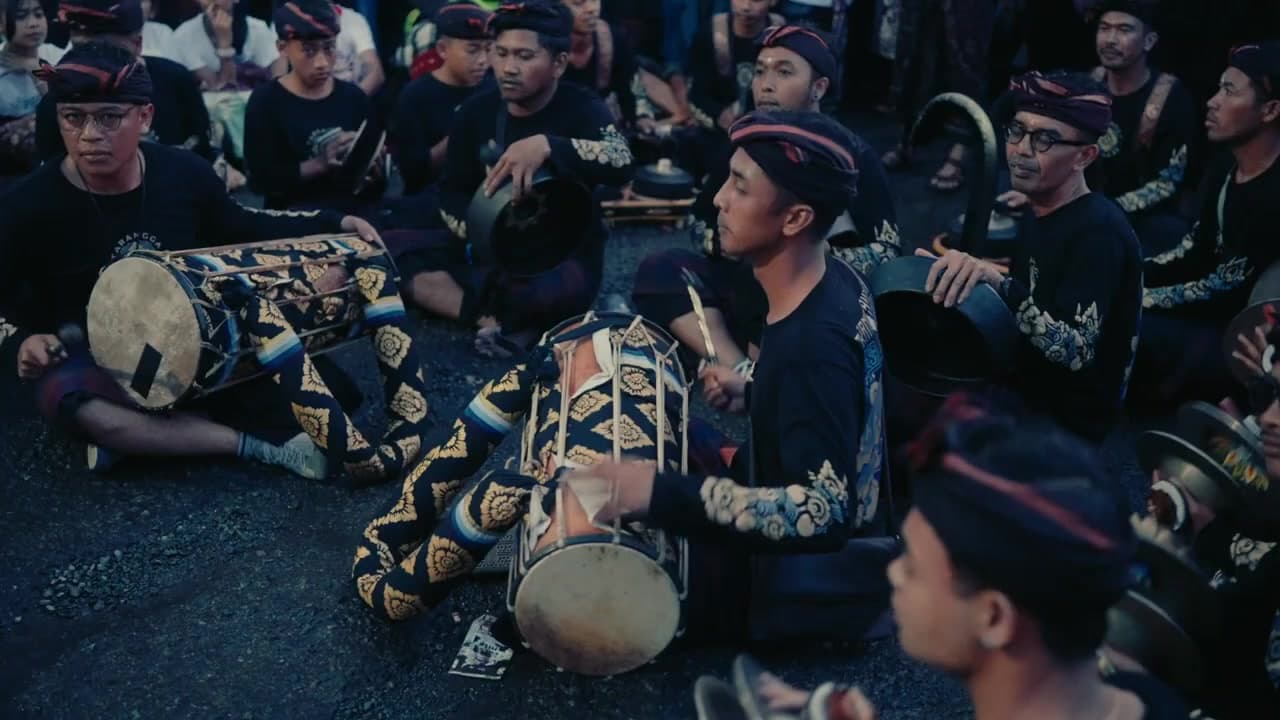
Which brings us to the gamelan, that mystical and elusive music of such complex proportions. Gamelan is a traditional Indonesian percussion orchestra made up of highly ornate, hand-forged metal xylophones, gongs, drums, and cymbals. It’s an ancient art form, intimately linked with theatrical dance, shadow puppet performances, and the banja system of Bali that function as community centers and cultural hubs. Its “otherworldly” character influenced the likes of Debussy, John Cage, and the Chopi people of Mozambique who likely inherited gamelan techniques for their fantastic wooden timbila orchestras.
Writer and musicologist Colin McPhee, who spent a decade in Bali in the early 20th century, described its power thus: “There was something dark and secret about their ancient craft, for they had to do with metal, cold mysterious product of the underworld, charged with magic power… in their craft the elements of life and death were strangely united.” (McPhee, 1947, p. 228).
It’s generative music of a harsh (and noisy) metal timbre, with fluid tempos that thrust and waver like gusts of wind. Performances last ages and often feel like an edgy dream. “I hadn’t thought about it. And suddenly when I was in Bali, I remembered,” Kasimyn recalls, “when I was six years old I was so in love with [gamelan] and the shadow puppets – because it’s all one package. It would happen from eight at night to four in the morning. So, my Dad would wake me up, and we would go on motorcycle somewhere far away outside the city and watch it for hours.”
Near Ubud, Kasimyn would hang out at these banjar temples learning and chatting with the gamelan masters. At the same time he was part of a crew in Denpasar throwing weirdo ‘SMS for location’ electronic events for locals as a counterpoint to the tech house tourist traps that dominated Balinese late nights. “ I lived in two worlds. DJing and then drinking with the gamelan master.”
Then it clicked. “Stupidly,” Kasimyn says with a smile, “I had Ableton and there’s this thing called MIDI scales where you can lock your MIDI, and this thing called pelog, which is actually the scale closest to gamelan. And it worked. I got this really fast kick, melodies… I only play five notes over and over to try to get rid of the structure. Just melody, melody, melody, kick, kick, melody. I sent it to Ican and we were both like, ‘Oh fuck, what is this?’”
Enter Gabber Modus Operandi. A duo made up of Kasimyn and Ican Harem – an artist from Northern Sumatra, born to a orthodox muslim family who dropped out of boarding school to play in a black metal group in Yogyakarta and later moving to Denpensar as a DIY fashion designer and hardcore musician. After playing with Depa Collective and Icam’s Wrong Cookie project, the two decided to team up and start GMO.
The word gabber – close to geber – means “vroom” in Indonesia and is a reference to motorcycle youth culture, but it’s also a callback to Geber, Modus Operandi a multimedia art unit from Jakarta; Geber is also the tree trunk used for the shadow puppet stage; and gabber, of course, is a Dutch form of hardstyle techno… Oh, and there’s a wink to GMOs (genetically modified organisms). It’s a lot to unpack, but it says much about the alay nature of the project.
Kasimyn explains. “It is like fantasizing that there was gabber in Indonesia, it would sound like this... It is an imaginary rave that happened in our heads in pelog and slendro scales.”
GMO became part of what critics called “a seismic shift in the electronic dance continuum”, dropping super irreverent projects like Puxximaxx on Indonesia’s legendary Yes No Wave label, And Hoxxxya on SVBKVLT leaving tsunami imprints on the global hardcore circuit. The duo were using traditional music to out-punk the punks, conjure synthetic trances, and throw the exotic gaze right back in the face of the foreign clubs booking them. And they weren’t quiet about it.
The noise within, violence and memory
Though GMO always seemed to be destined outward. Kasimyn has funky reflections on how Arabs dance with their shoulders, Africans with their hips, and South East Asians with their fingers and eyes. And a lot of the ferocious run of GMO was an effort to get foreign club kids to wiggle their digits at synthetic gamelan or emulate the possessions of the jathilan horse rituals. But for the last few years Kasimyn has started producing solo work that addresses something more introspective.
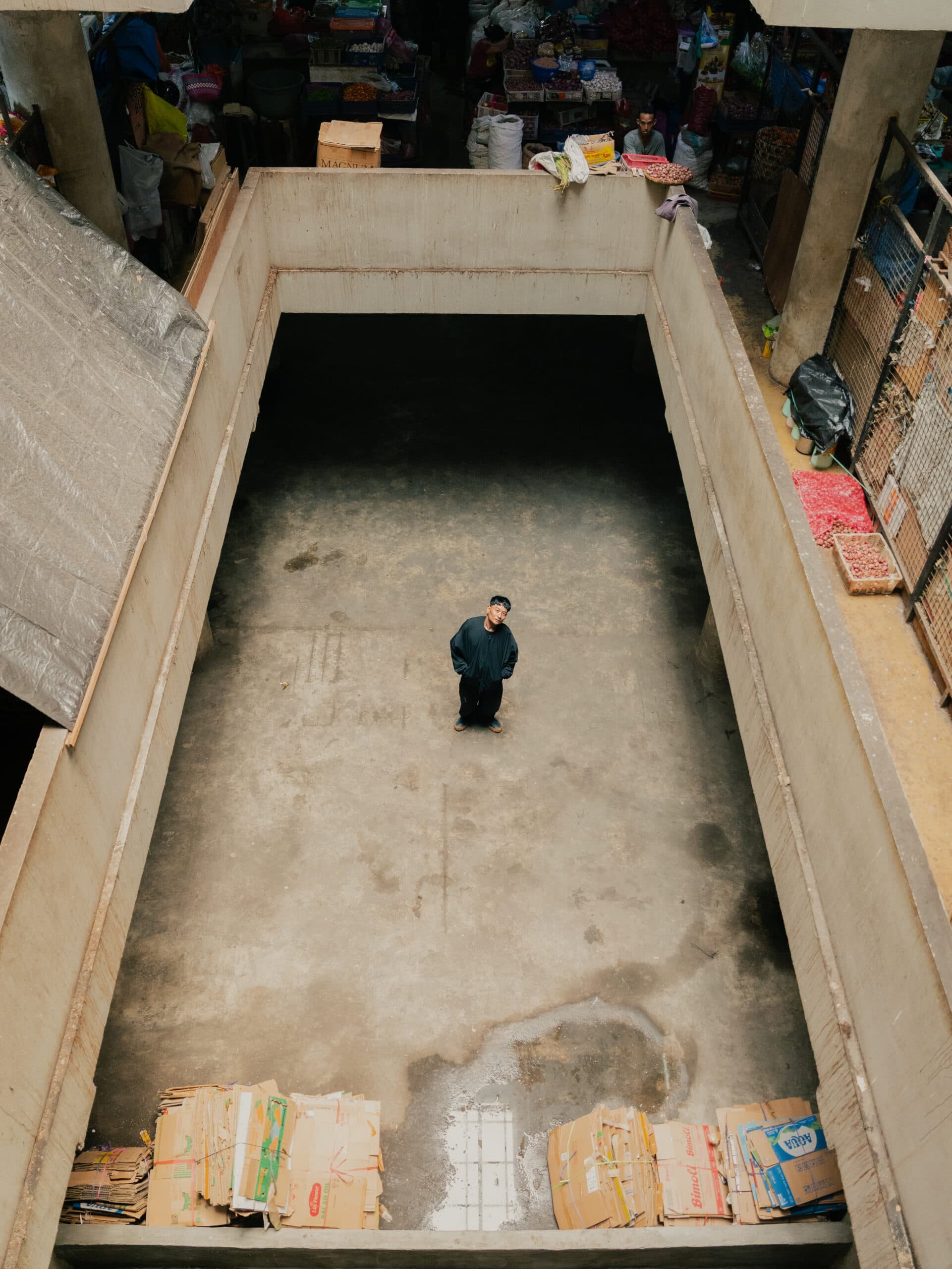
“ GMO is about celebrating, taking space, your body movement, the idea of rave…” Kasimyn explains, “but there are a bunch of people, like my father, maybe my uncle, that have this inner anger that they don’t want to resolve because it’s so scary to them. It takes so much risk to release the pain. There’s this internal battle.” Kasimyn continues, “back then when I was in my twenties, I was like, ‘No, you need to release it!’ But the older I get, it’s like, ‘Okay, I get it.’”
What “it” is Kasimyn doesn’t really say. But for an Indonesian of that generation you can kinda take your pick. The Dutch colonised Indonesia for over 300 years, and when Indonesians declared independence in 1945, the Netherlands responded with systematic extreme violence: mass executions, torture, the burning of villages, around 100,000 Indonesian deaths before a final Dutch withdrawal in 1949.
Then, in 1965, as Suharto’s New Order seized power from independence president Sukarno, somewhere between half a million and one million Indonesians were killed in an anti-communist purge (PKI members, ethnic Chinese, leftists, artists, labour organisers) with another million imprisoned without trial, some in island labour camps for years. The killings have never been officially investigated and no perpetrator has faced justice.
With Hulubalang, Kasimyn explores the shape of these hard to swallow objects in the throat of its victims. But also, how we recontextualize the past through institutionalised memorials, foreign archives, and motivated research.
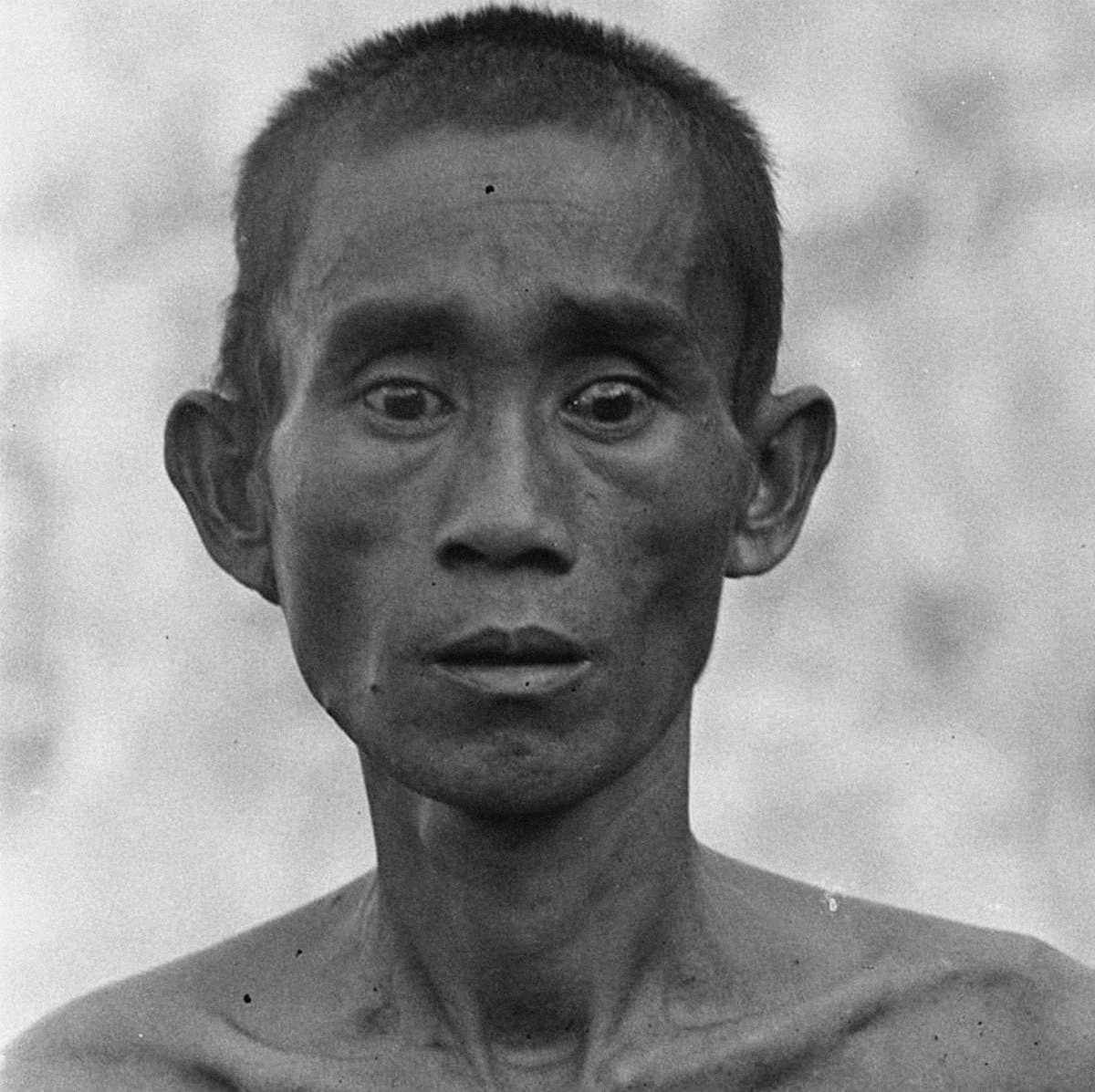
The cover of Hulubalang’s 2023 Bunyi Bunyi Timbal or Synthetic Feelings for Anonymous Sacrifice, released on the Jordanian Palestinian label Drowned By Locals, is itself a photograph pulled from the Dutch War Archives.
“That was actually the picture that first moved me. That guy was so… I don’t know but there is a pain in the eyes. This state… it was so unclear.
And then when I start to check the archives, the guy’s name is ‘the Man from Java’. I mean, it could be anyone, it could be my aunt, my grandpa…”
“In general, all the music in Hulubalang is basically a bunch of people doing a ritual. They don’t give a shit about Indonesia as a country, or the Dutch, or whoever colonised it. They just want to do the ritual. And then one guy shows up and says, ‘Hey, you are Indonesian, this is the flag, come with us.’ Or the Dutch show up: ‘No, you come with us.’ I mean — they don’t give a shit, actually.”
It’s hard to pinpoint the critique, if it could even fit on the pin of a needle. Maybe it’s couched in that toxic East Asian positivity that Kasimyn describes as “lucky you still have your left foot”. Moving on, straight faced, with some gargantuan load. And a fucking shrieking need inside to ritualise your struggle. To release it without coming unwound. Some personal acknowledgement that it’s real, it’s yours, and you should probably do something with it before a museum tells you how to feel.
“In Indonesia, statistically, we die so easily. Natural disaster, tsunami, 140,000 *pop* *boom* earthquake, poison snake, whatever. A lot of catastrophes happen in this ring of fire, one of the most active volcanic islands. But at the same time it has some of the largest biodiversity and the craziest languages and music. You have this all packaged together… Hulubalang is my way of respecting this idea, this practice to be submissive. But in the end, the submission also needs to be local, it needs to be internal.”
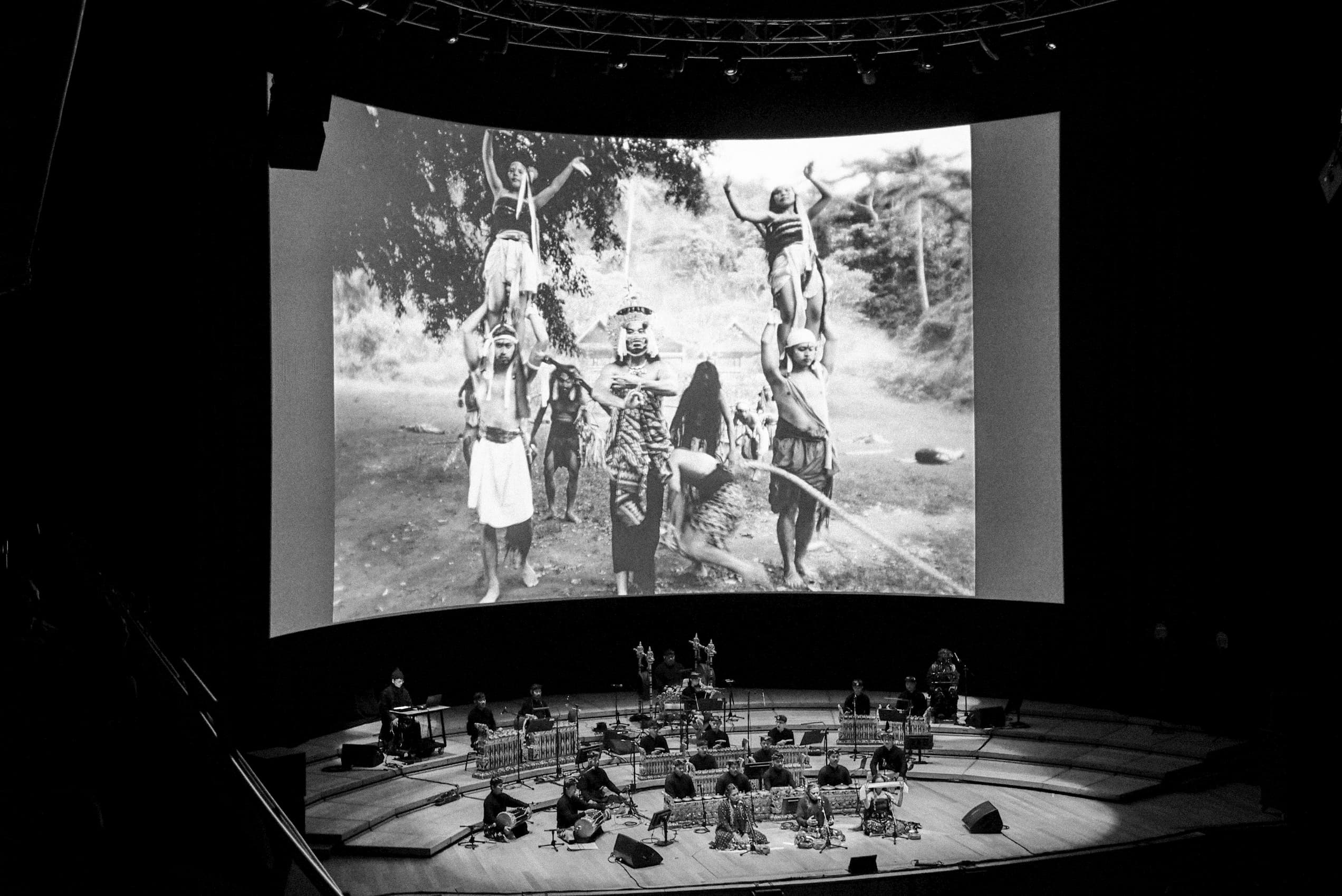
During the performance at Le Guess Who?, Kasimyn played tracks off the album — titles translated here by Kasimyn himself — “Kemaut” (to die, but a play on the word weird), “Budakkawan” (slave-friend), and “Liang” (burial hole), set against photographs from the Dutch War Archive, animated into a grotesque form with the GPU juju of AI.

“It makes it a bit alive for me,” Kasimyn explains, “and helps poke at the idea of liminality. I asked, ‘Can you make liminality out of this?’ Because on the internet, liminality is all abandoned malls… But what about the coconut tree that used to be a death troop’s shooting ground? What about this traditional house that’s abandoned because they got dragged out?”
“I also wanted to add something bleak and sad… something intimidating but not gore.” Kasimyn finishes, with a laugh, “I don’t know, maybe there’s a fetish inside me of fucking with people’s heads.”
The noise continues…
Today, Kasimyn is composing with Wayan Sudirana the music to a black and white silent arthouse film called Samsara by Garin Nugroho, which depicts 1920’s Bali mysticism. There’s also work being done with the gamelan kids of his local banjar system who are tinkering with electronic software to create a new wave of gamelan via the likes KADAPAT on his newly minted Gorong-Gorong Records. And there’s new music. Continuing the journey both inside and outside his culture with an impending album, Elink, that synthesizes the years of traditional exploration with the ethos of hardcore noise, and the “twerking old Javanese way of life” with heady futurism. The work continues, quietly for now, like magma, gathering.
In a world of signal bashing noise-slop, Kasimyn’s work is a loudspeaker plugged into some essential and rhythmic glossolalia. It’s grating and sometimes scary, but it’s packed with intellectual sincerity. Because whatever trickster spirit Kasimyn and GMO have channeled in the past is a form of shadow-puppetry itself. Each gesture, each floor shattering lick, is shot out from a mind that has thought deeply about the nature of sinusoidal symbols, the haunting eyes of anonymous Javanese, and the metallic secrets of alchemical gongs. “We’re romanticizing our stuff, in a way,” Kasimyn told me, “but we also don’t know what the fuck our stuff is. It’s kind of a blurred line.” Because ritual doesn’t rest in the neatly drawn field of the analytic, its power is formed by the collection of symbolic impressions, marinated meaning, and the gut smashing reality of physical, loud, abrasive, noise.